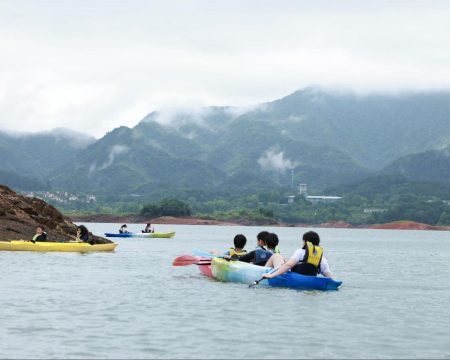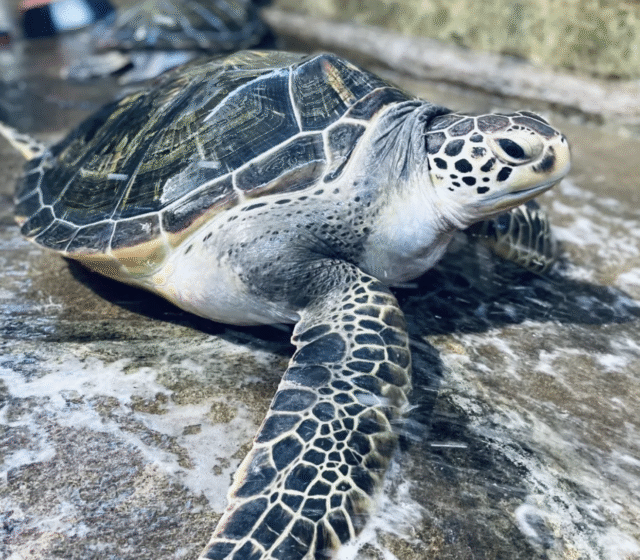
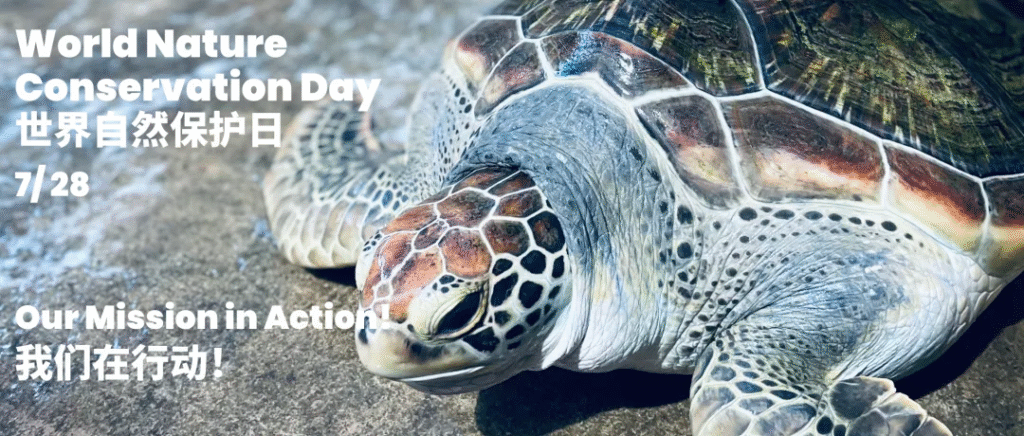
As we celebrated July 28th, World Nature Conservation Day, we are reminded of our collective responsibility to protect the world’s natural resources and biodiversity.
On this special day, we invited Dana, our project leader, to tell us the story of why climate change has essentially affected the gender imbalance of sea turtles.
Curious about the engaging activities we designed to help students connect with these charming marine creatures? Take a look at the video below to see how Dana recounts this meaningful project.
Youtube Video : https://www.youtube.com/watch?v=lYNYOcqBau4
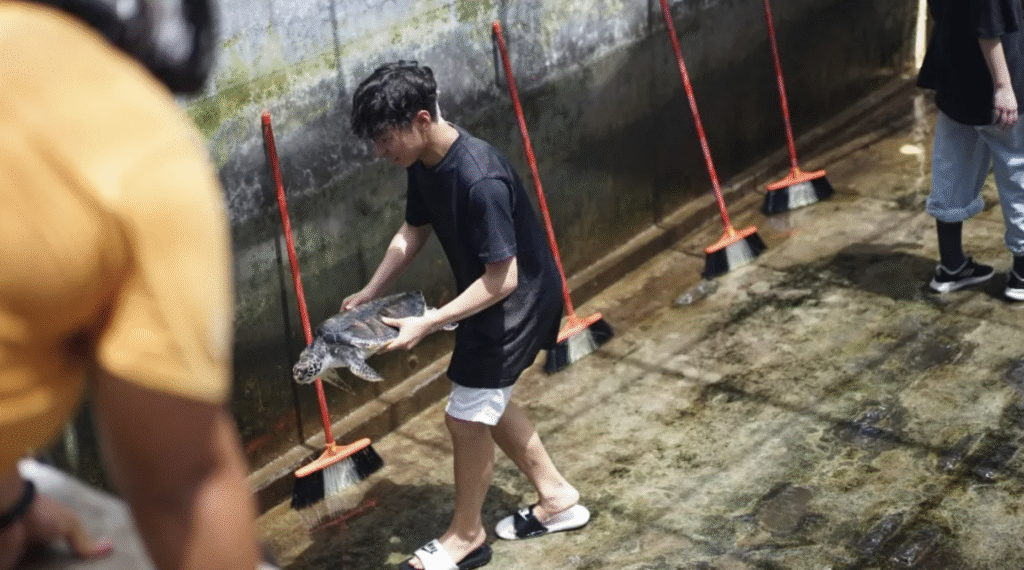
At the Huizhou Sea Turtle Rescue Center, our students’ first task was to clean the turtle pools. These ponds serve as temporary homes for rescued turtles, and maintaining a clean environment is crucial. Armed with brooms, the students diligently scrubbed away algae from the pools.

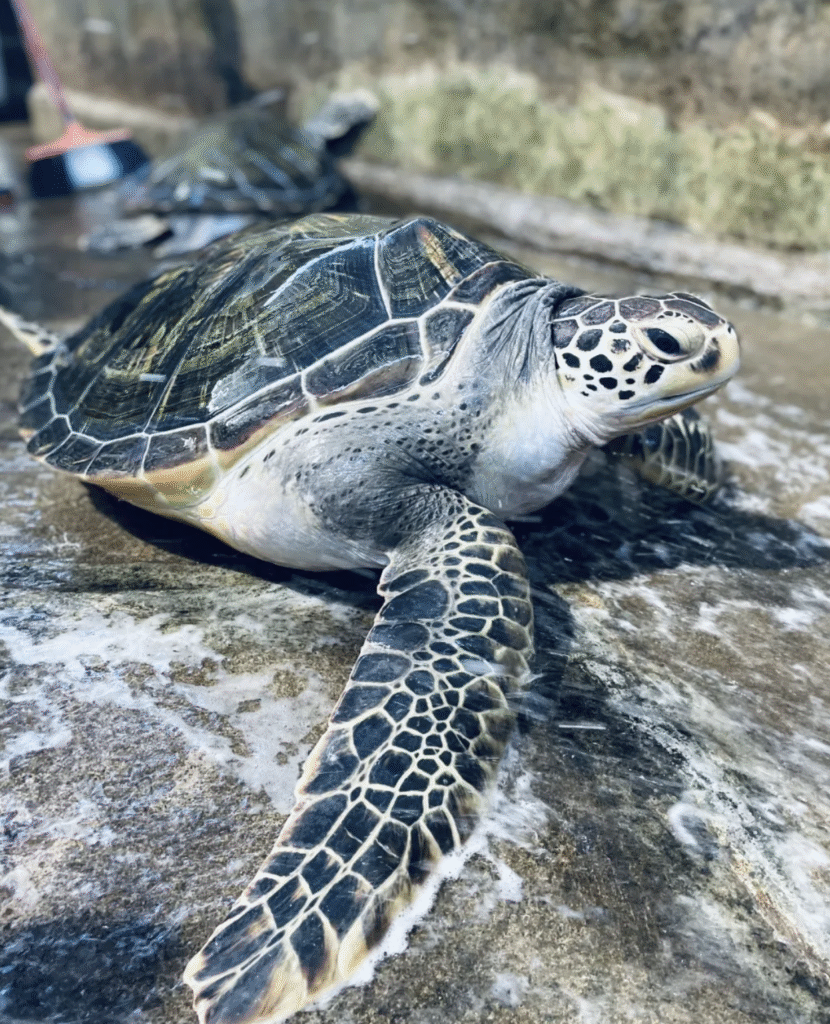
This initial task allowed students to get up close and personal with the turtles. To ensure their safety during the cleaning process, students were permitted to gently hold and move the turtles. Their excitement was evident as they carefully held these gentle creatures, balancing enthusiasm with cautious handling.
After this initial bonding experience, students moved on to their second task: cleaning algae from the turtles’ shells and applying medication to injured ones. This deeper engagement in caretaking fostered a stronger emotional connection and piqued their curiosity about the turtles.
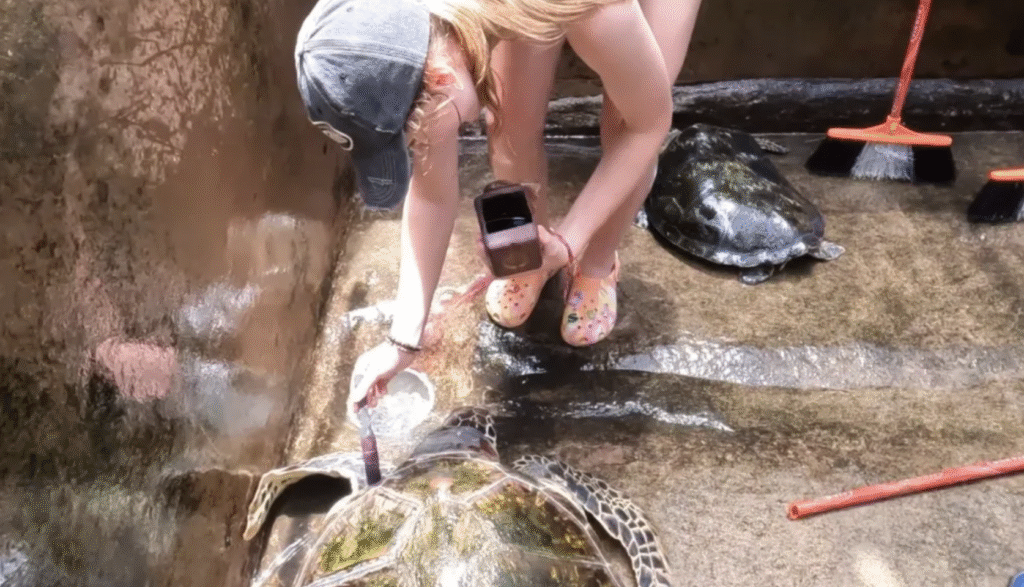
When talking with the expert, the students asked several questions that worried them: Why do turtles need rescuing? What dangers do they face? How can we help them?
The expert explained that sea turtles face several major survival crises, including the gender imbalance caused by climate change.
The gender determination mechanism of sea turtles is very special, as it is determined by temperature and is highly sensitive to temperature changes. The pivotal temperature for green sea turtles, which is the temperature at which the probability of hatching as male or female is equal, typically ranges between 28 to 30°C. If the temperature during the gender determination period exceeds the pivotal temperature, the hatchlings will become female turtles.
With the impact of global warming, the issue of gender imbalance in sea turtles is particularly concerning. However, there is another threat to sea turtles’ survival that cannot be ignored: ocean pollution!
Ocean pollution severely impacts sea turtles’ survival and reproduction.
Lacking taste buds, turtles cannot differentiate between edible and inedible floating debris, often ingesting harmful waste. Their unique physiology, designed to prevent food from escaping, now causes ingested waste to accumulate in their digestive systems. This can lead to illness or even fatal encounters with reefs.
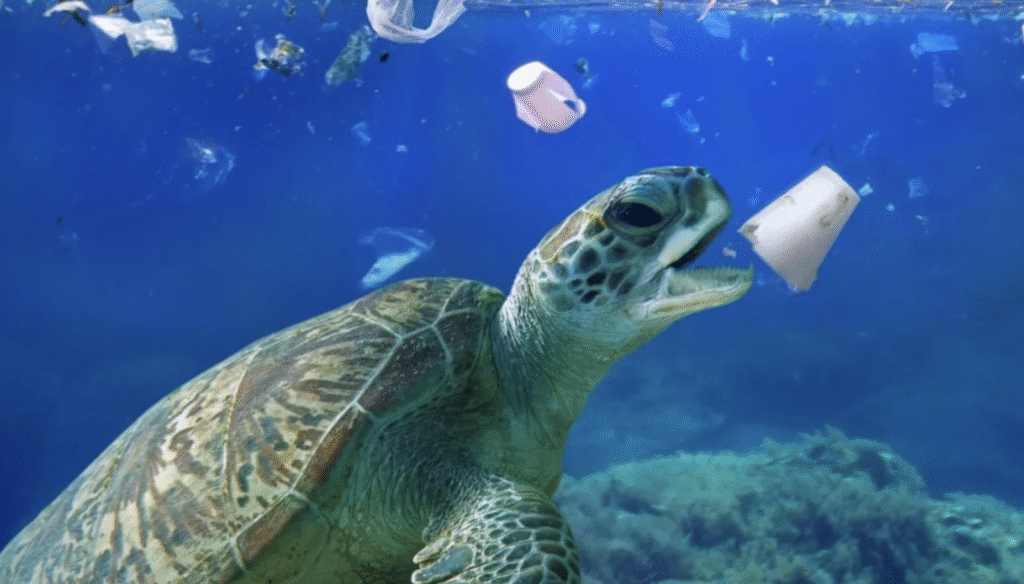
Additionally, sea turtles need clean beaches to lay their eggs. Discarded fishing nets and plastic waste pose direct threats to their nesting grounds. It was the breeding season, so we led students in a beach clean-up to protect these critical habitats and ensure the safety of future generations.
With great dedication, the students collected beach litter, amassing 20 large bags of waste, including a massive plastic barrel.
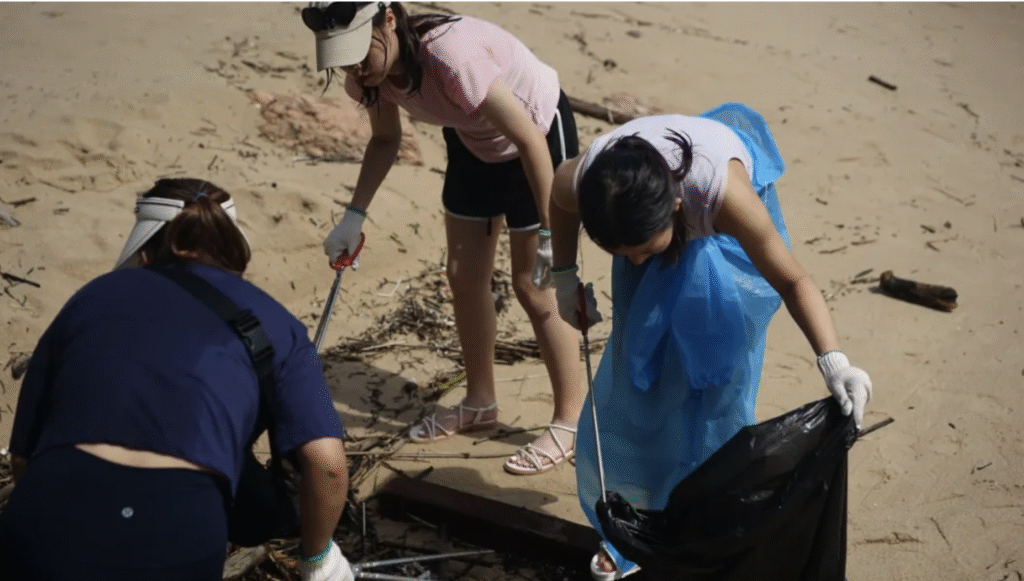
Witnessing the variety of plastic debris firsthand highlighted the significant impact of human activity on marine environments. Some students questioned whether these efforts could genuinely save the turtles and other marine life.
Our response: Change begins with action. When more people start questioning their use of plastic products and actively participate in conservation efforts, miraculous outcomes can follow. In 2018, Indian environmentalist Afroz Shah and volunteers spent 85 weeks clearing 5 million kilograms of beach trash, resulting in the return of sea turtles to the shore. We hope such inspiring stories continue to unfold worldwide.
By taking action, we create the potential for positive change. Let’s protect our planet and its precious inhabitants together!
© 2026 All rights reserved.
Terms and Conditions