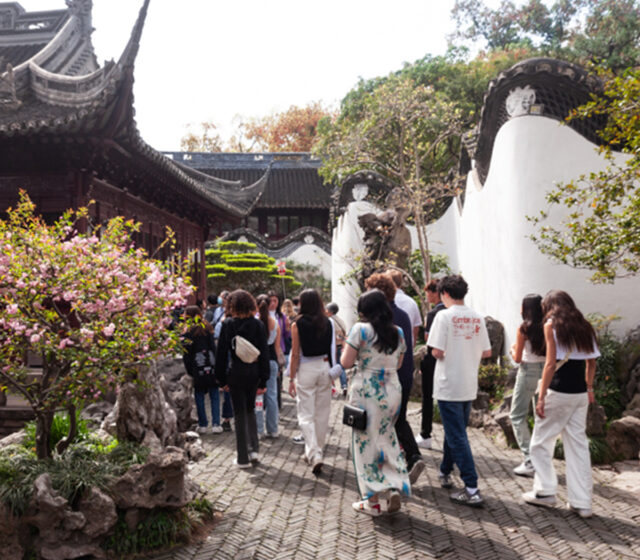
China’s historical places offer students a powerful entry point into one of the world’s oldest continuous civilizations. Spanning more than 5,000 years of history, these sites—from imperial palaces to Silk Road trade hubs—reflect the depth and influence of Chinese culture across the ages.
For schools seeking meaningful educational travel experiences, China provides a rich landscape for place-based learning, where students engage directly with history. Students can walk through ancient temples, stand atop centuries-old walls, and reflect on dynastic legacies—all while gaining a deeper understanding of history, culture, and language.
In this guide, we’ll highlight some of China’s most significant historical places and explore how each destination offers students immersive, real-world connections to the past—making learning both memorable and transformative.
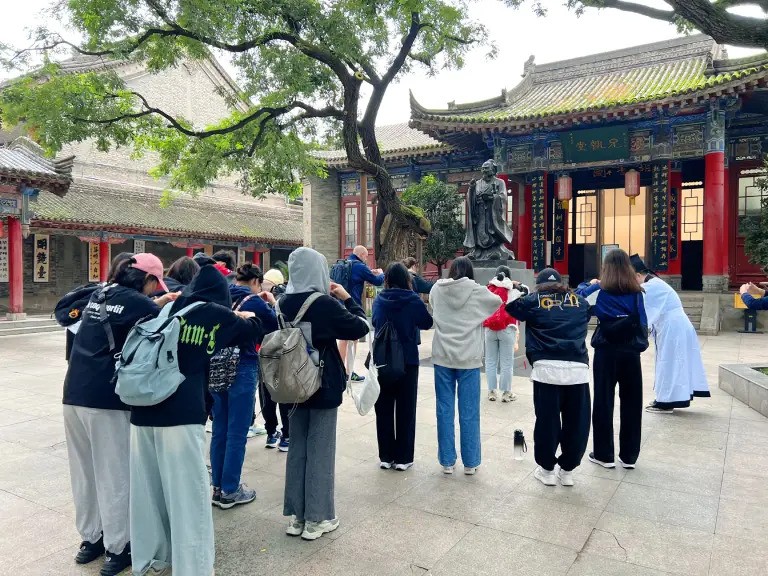
Exploring historical places in China not only brings textbook lessons to life, but also enhances students’ critical thinking, cultural understanding, and historical awareness.
China is home to some of the world’s most iconic historical sites, each offering a window into the country’s rich and complex past. From the Great Wall of China, which once protected ancient dynasties, to the Forbidden City, a symbol of imperial power, these landmarks reflect centuries of political, social, and cultural evolution.
Visiting these sites allows students to experience the architectural brilliance, artistic achievements, and cultural traditions that have shaped China. It’s a unique opportunity to explore the values, innovations, and beliefs that influenced both China and the broader world.

China’s historical places offer students a vivid, hands-on way to engage with the past. Rather than just reading about events and rulers, students walk the same paths and explore the same halls where history unfolded.
Climbing the Great Wall, students imagine ancient soldiers defending the empire. Inside the Forbidden City, they envision imperial life. Standing before the Terracotta Army, they grasp the scale of the legacy left by China’s first emperor.
These immersive moments spark curiosity and encourage deeper historical understanding. With activities like guided tours, scavenger hunts, and conversations with local experts, each site becomes a dynamic learning experience that leaves a lasting impression.
A school trip to China isn’t just a historical journey—it’s also a chance for students to build practical language skills through Mandarin language immersion. Surrounded by native speakers, students apply their classroom knowledge in meaningful, everyday interactions.
Whether reading signs, ordering food, or chatting with locals, students develop listening, speaking, and reading skills in an immersive environment. This real-world practice builds confidence and fluency in ways structured lessons alone cannot.
For schools focused on language learning, visiting China provides an unforgettable opportunity to blend cultural exploration with Mandarin proficiency—enhancing both linguistic skills and global understanding.
Now, let’s take a closer look at some of China’s most iconic historical places—starting with one of the most awe-inspiring of them all: the Great Wall.
One of the most iconic structures among China’s historical places, the Great Wall of China stands as a powerful symbol of the country’s ancient engineering, resilience, and strategic foresight.
Visiting this historic site during an educational trip gives students the chance to explore its historical importance while taking in breathtaking views of China’s northern landscape.
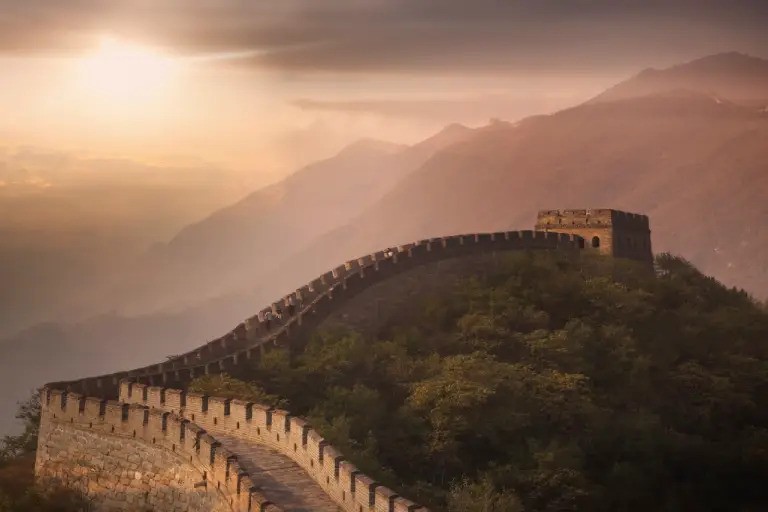
Spanning over 21,000 kilometers, the Great Wall is one of the most renowned historical landmarks in the world. Constructed over centuries by multiple dynasties, it served several key purposes:
By walking its pathways, students gain firsthand insight into the military strategies and monumental effort required to build this massive structure—an essential chapter in understanding China’s historical development.
Not all parts of the Great Wall are the same—some sections are especially well-suited for student groups due to accessibility and educational value:
To make the visit truly memorable and educational, consider incorporating activities such as:

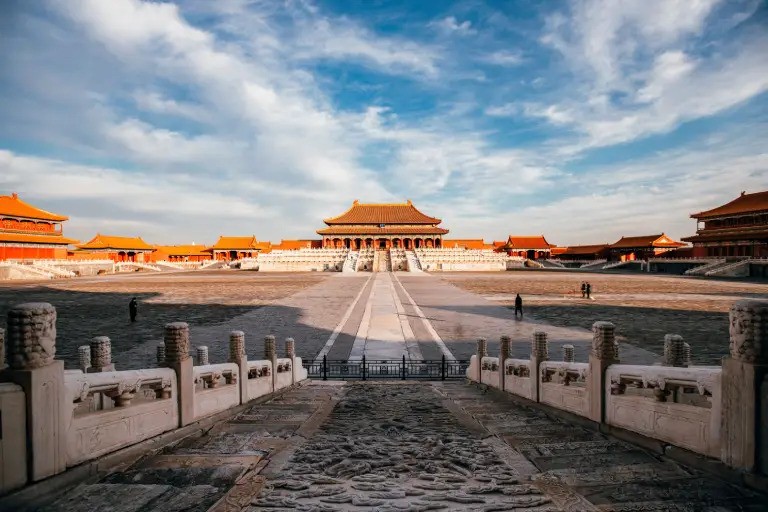
Located in the heart of Beijing, the Forbidden City is one of China’s most iconic historical places and the largest, best-preserved imperial palace complex in the world.
A visit to this UNESCO World Heritage Site invites students to step into the world of emperors, court rituals, and dynastic legacies—bringing centuries of Chinese history to life.
Once home to 24 emperors of the Ming and Qing dynasties, the Forbidden City stood as the epicenter of Chinese political power for over 500 years. Its significance includes:
Exploring this historic site offers students a deeper understanding of imperial China’s governance, philosophy, and artistic expression.
From grand halls to intricate artifacts, the Forbidden City provides students with a tangible connection to China’s imperial past. Highlights include:
To enhance learning during a visit, school groups can:
A masterpiece of Ming Dynasty architecture, the Temple of Heaven is one of China’s most revered historical places.
Once used by emperors to perform sacred rituals for good harvests, this complex offers students a unique look into ancient Chinese spirituality, symbolism, and ceremony.
During our Classics China 10 Days Beijing–Shanghai school trips, visiting this beautifully designed complex gives students a deeper insight into China’s spiritual traditions and the role of imperial ceremonies in its history.
Built in the early 15th century during the reign of Emperor Yongle, the Temple of Heaven served as a vital ceremonial site. Its historical significance includes:
Students can uncover important lessons from the temple’s layout, rituals, and symbolism, including:
To fully appreciate the site, student groups should explore:
Discovered in 1974, the Army of Terracotta Warriors is one of the most important archaeological finds in history—and a must-see destination for any student exploring China’s historical places.
This vast underground army, built for Emperor Qin Shi Huang, reveals fascinating details about ancient Chinese warfare, artistry, and beliefs about the afterlife.
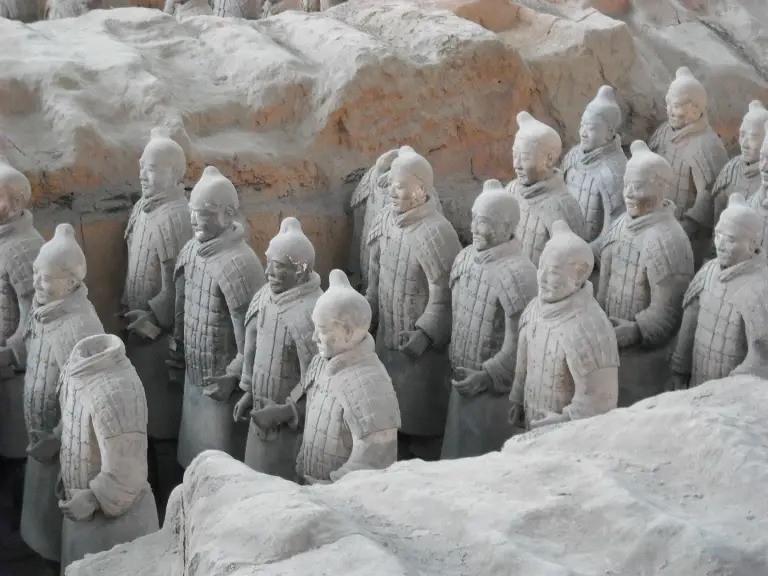
Built over 2,000 years ago, the Terracotta Army was intended to:
A visit to this site allows students to:
To maximize this educational experience, school groups can:
Participate in hands-on workshops, such as clay warrior sculpting, to better understand ancient techniques and traditions.
Standing tall in Xi’an, the Giant Wild Goose Pagoda is a key historical and religious site that reflects China’s deep Buddhist traditions.
Built during the Tang Dynasty, this sacred site offers students deep insight into ancient philosophy, spiritual life, and the cultural exchange fostered by the Silk Road.
Constructed in 652 AD under Emperor Gaozong, the pagoda was originally built to:
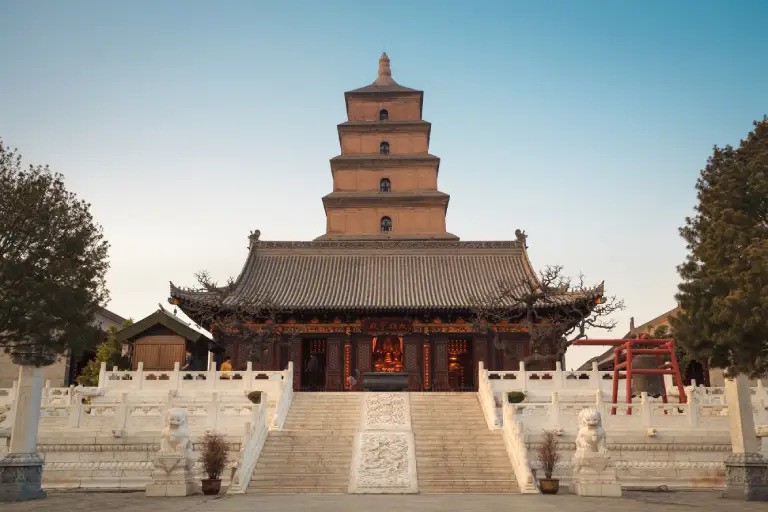
A visit to the pagoda allows students to explore:
Traditional Buddhist symbolism and architectural design expressed through the pagoda’s structure.
To make the visit more immersive, students can:
Learn about Xuanzang’s journey to India, which inspired the classic Chinese novel Journey to the West.
Beyond the major sites, China is home to a wealth of historical landmarks that enrich student learning through hands-on exploration and cultural immersion. Here are a few more essential destinations for any educational journey through China’s historical places.
Located in Beijing, the Summer Palace is a vast Qing Dynasty garden and palace complex that offers insight into imperial lifestyle and landscape aesthetics.
The Mogao Caves—also known as the Caves of the Thousand Buddhas—are located in Dunhuang and house an astonishing collection of Buddhist murals and sculptures.
Student takeaway: The site offers a vivid look at ancient cross-cultural connections, religious life, and artistic expression in a key Silk Road hub.
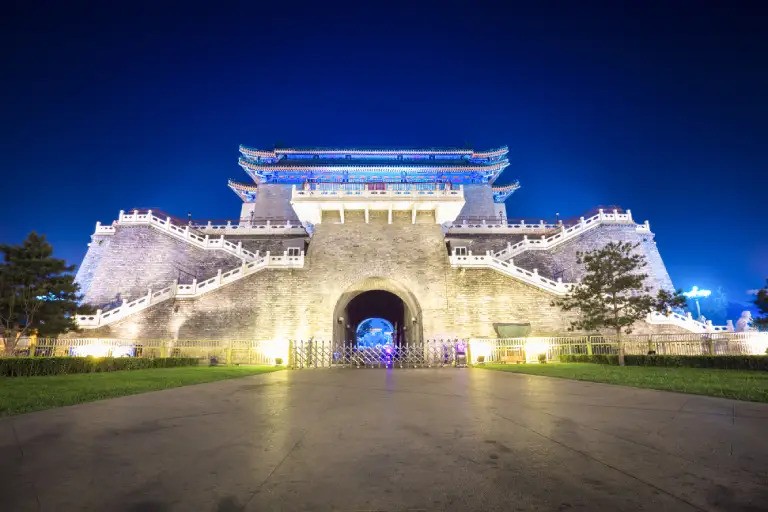
Encircling the heart of Xi’an, this Ming Dynasty-era city wall is one of the oldest and largest surviving city defenses in China.
A school trip to China’s historical landmarks is more than travel—it’s an immersive educational experience that connects students with one of the world’s oldest civilizations.
Timing your visit is key to making the most of your trip. Here’s what to expect throughout the year:
To ensure a smooth, enriching experience:
Looking for help to plan a smooth and safe trip? Read our school trip safety guide for essential tips on planning, preparation, and student well-being.
Exploring China’s historical places transforms lessons into lived experiences. From walking the Great Wall to standing before the Terracotta Army, each moment connects students with the legacy of a civilization that continues to shape the world today.
By integrating a school trip to China into your curriculum, your students will gain firsthand insights into global history, cross-cultural understanding, and the values of exploration and inquiry.
Ready to start planning? Get in touch today to design a school trip that makes history come alive for your students!
© 2026 All rights reserved.
Terms and Conditions