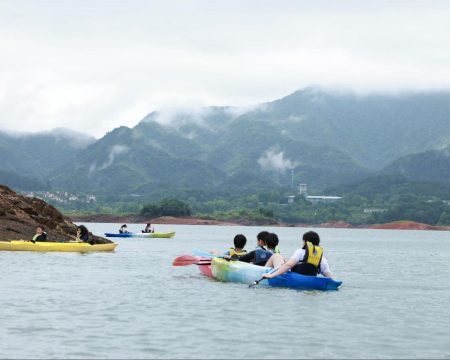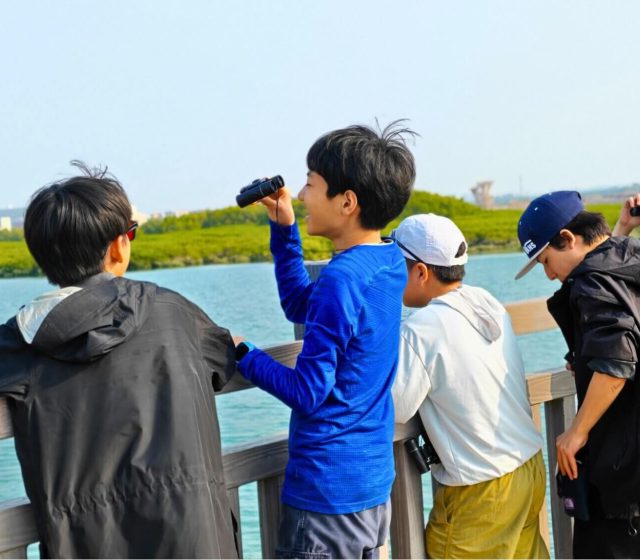
Across April, our programs returned to a shared question: what becomes possible when STEAM learning is rooted in place, community, and thoughtful program design?
In Chongqing, Xiamen, and Yixing, students tested ideas in the field, worked directly with materials and ecosystems, and deepened their understanding through experience rather than abstraction.
Also, in our latest Educator Spotlight, Victor Guo Yukun of Victoria Shanghai Academy reflects on how co-designed learning materials can help students learn with greater depth and purpose beyond the classroom.
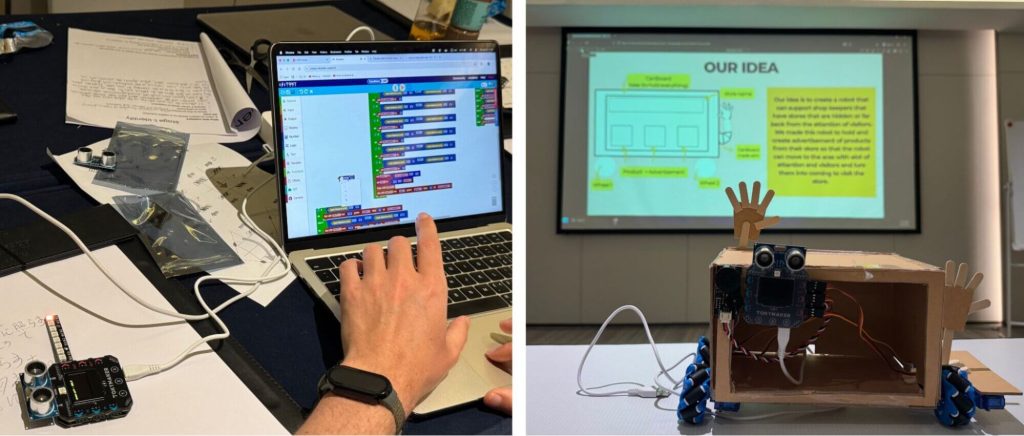
In Chongqing, students stepped into one of China’s most dynamic urban environments, where steep hills, layered transport systems, and fast-moving technological change offered a strong setting for inquiry.
Rather than beginning with a technical brief alone, they started by observing the city closely. By speaking with local residents and shopkeepers, and by taking part in an environmental clean-up, they began to understand how design responds best when it is grounded in real needs.
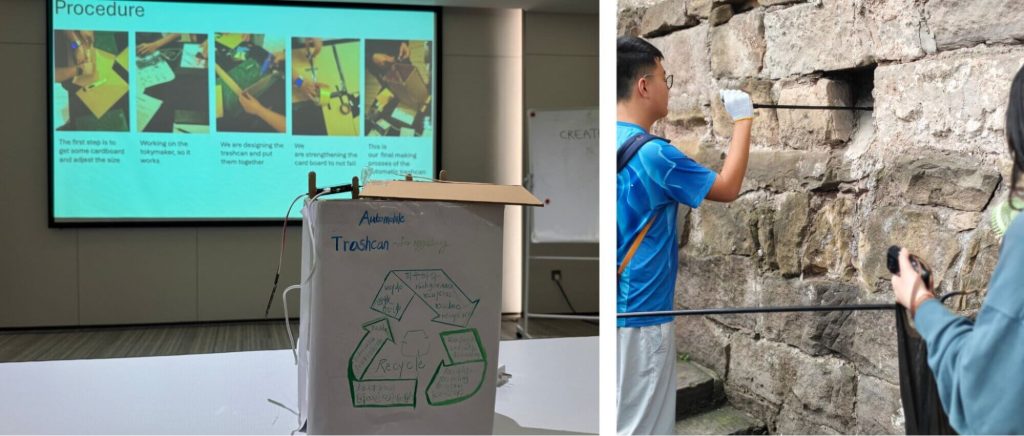
From there, students moved into hands-on STEAM work. They identified community challenges and built robotic solutions including an automatic trash can and a rubbish collection robot.
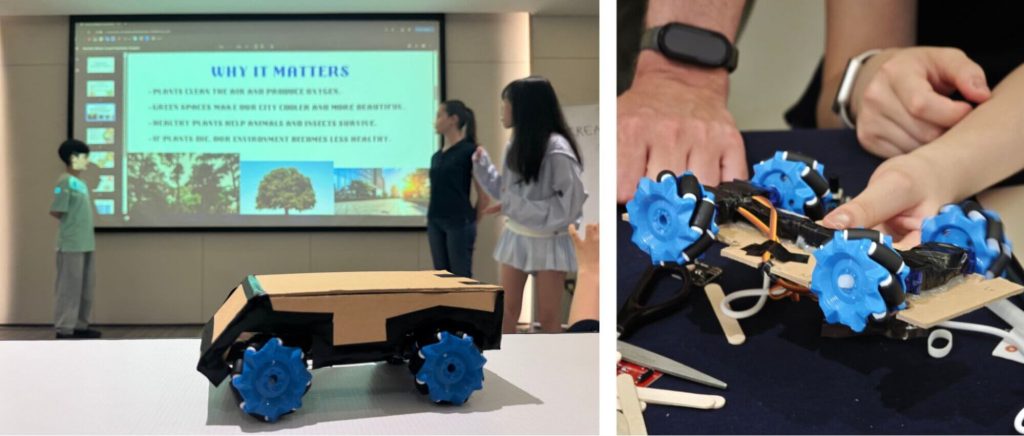
What stood out was not only the technical work, but the sequence of learning itself. By moving between field research, design thinking, iteration, and public presentation, students experienced STEAM as a way of listening, making, and refining. The program fostered collaboration and problem-solving, while also reminding us that meaningful innovation begins with attention to people and place.
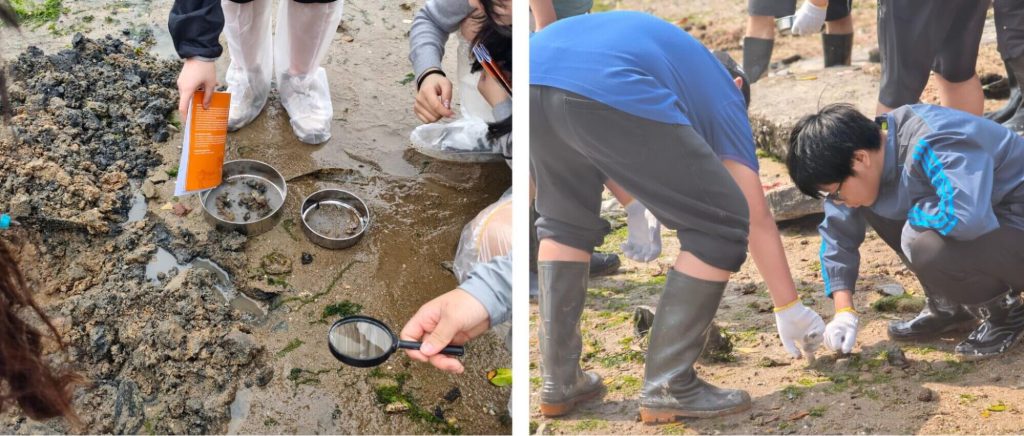
In Xiamen, students wrapped up a mangrove conservation program by working where environmental learning becomes tangible: in the coastal landscape itself. Spending time in the field, they tested water quality, analyzed soil, measured plant growth, planted mangroves, and contributed to eco clean-ups.
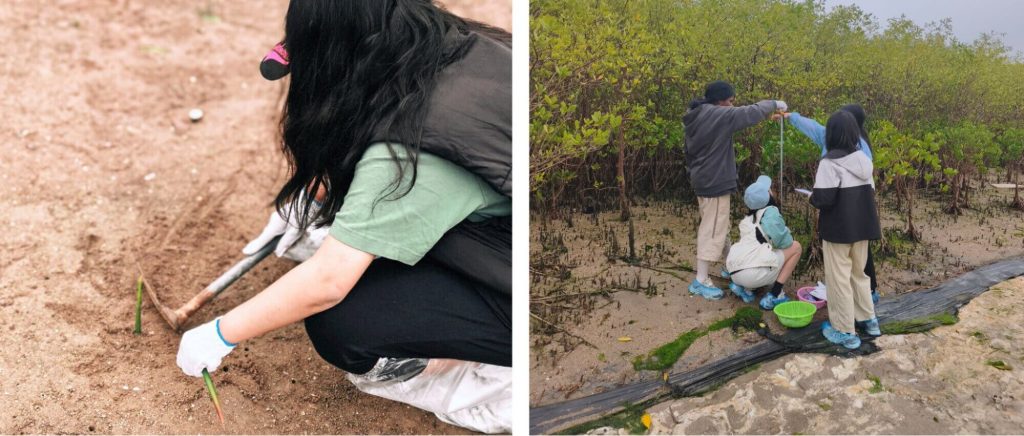
By engaging directly with data collection and restoration work, students saw how scientific learning and stewardship can inform one another. It also underscored a more complex truth: conservation is rarely simple, and learning to care for an environment requires patience and sustained attention.
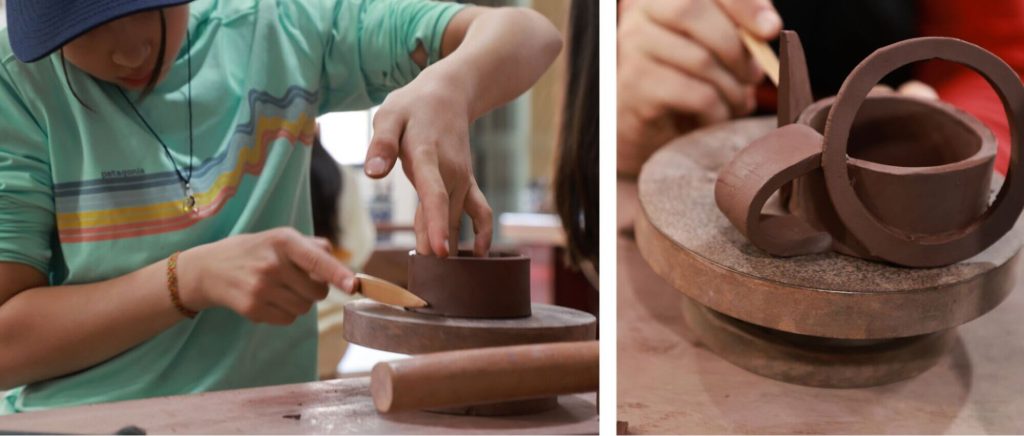
In Yixing, a place long known for its natural landscape and purple clay tradition, students explored a different but equally meaningful mode of STEAM learning. Through low ropes challenges, shelter building, crafting purple clay cups, and taking part in bow-making and archery, they learned by doing, adjusting, and working alongside one another.
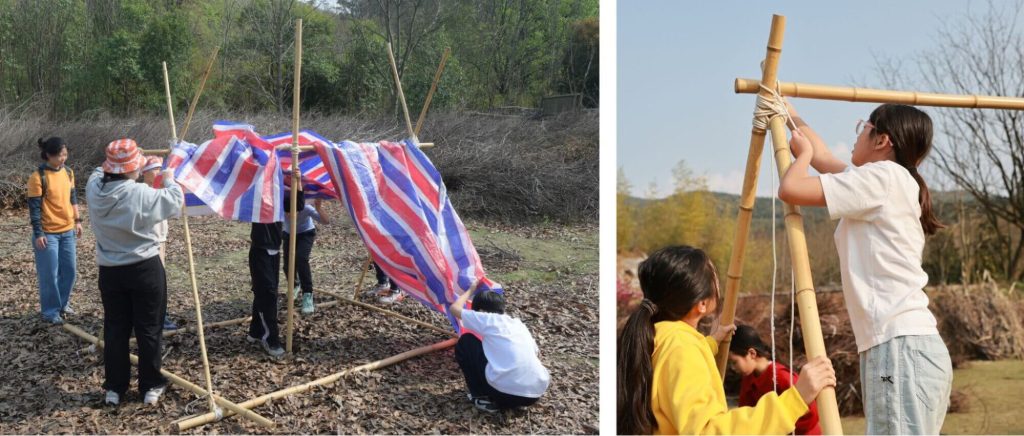
The learning here was quieter, but no less rigorous. By engaging directly with material, structure, process, and local craft knowledge, students uncovered connections between design, environment, culture, and teamwork. They had to make decisions with their hands, respond to constraints in real time, and reflect on how patience and attention shape good work.
This month’s Educator Spotlight features Victor Guo Yukun, Chinese History and Culture Program Coordinator at Victoria Shanghai Academy. His reflections offer a clear and timely reminder for educators across disciplines: experiential learning is most meaningful when it is designed as part of a wider learning arc, not treated as a standalone trip.
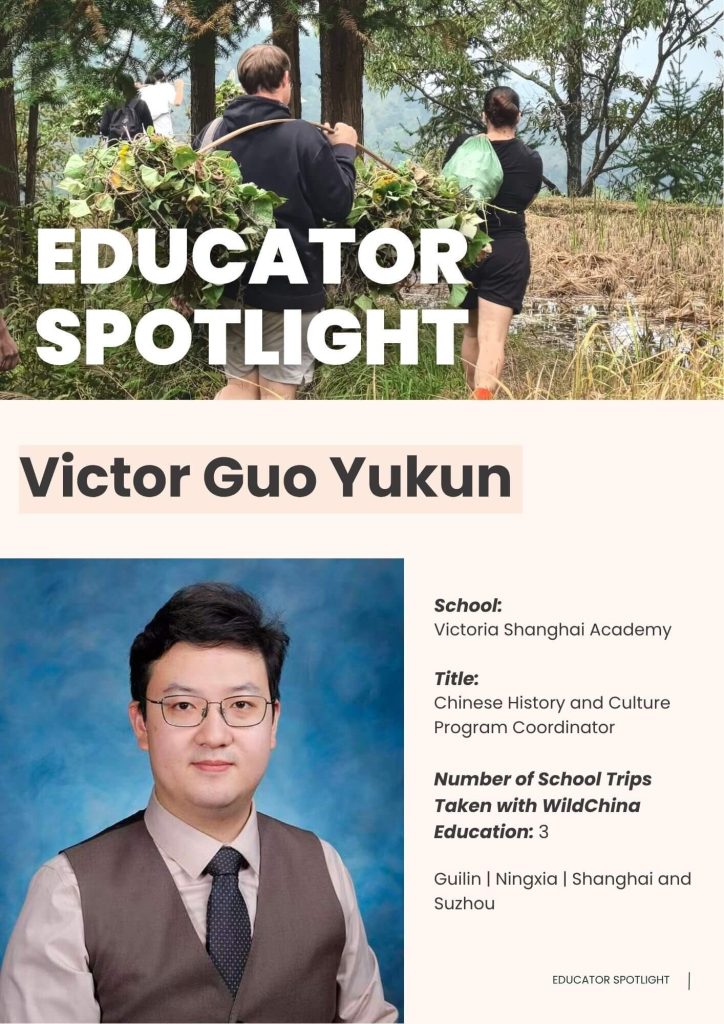
Working in partnership with WildChina Education, Victor describes how travel can deepen curriculum when students are prepared before departure, guided through purposeful inquiry on the ground, and supported in reflecting afterwards.
Q: Why do you believe travel is important for student learning?
A: “Students are not there simply to learn on the spot; through thorough pre-trip preparation and classroom learning, travel becomes a space where they can test, apply, and deepen their understanding.”
Q: What was a standout moment from your school trip?
A: “The one that moved me most was seeing students carrying the inquiry booklets we had developed in close partnership with WildChina Education—carefully tailored to connect with our in-school Chinese and History curriculum.
Watching them record observations and move thoughtfully through each historical site was incredibly powerful.”
Q: How did the experience impact your students and the wider school community?
A: “At the school community level, the bilingual inquiry booklet we designed played a particularly important role. It greatly strengthened students’ motivation to investigate and also helped remove language barriers, enabling our international colleagues to participate meaningfully in every cultural component of the program. In this way, the trip created a truly shared cross-cultural learning experience.”
Q: What advice would you give to school leaders considering an experiential education program?
A: “For experiential education to be truly effective, it needs to be designed as part of the learning process, not as a standalone event.”
This month, we’re pleased to bring back one of our most well-loved series, Employee Spotlight, where we share the stories of the people behind WildChina Education’s work.
In this edition, Lucy, our Business Development Associate, reflects on how curiosity has shaped her growth across different roles and experiences, offering a thoughtful glimpse into the mindset that supports meaningful program design and strong school partnerships.
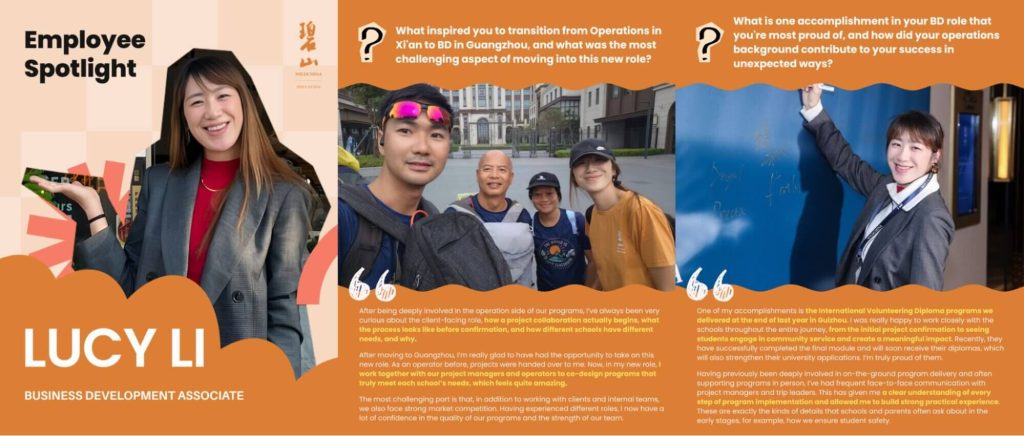
Her story is a reminder that meaningful experiential education is built through listening, coordination, and trust. Good programs do not emerge from a single role or department. They take shape through collaboration, reflection, and people who are willing to keep learning.
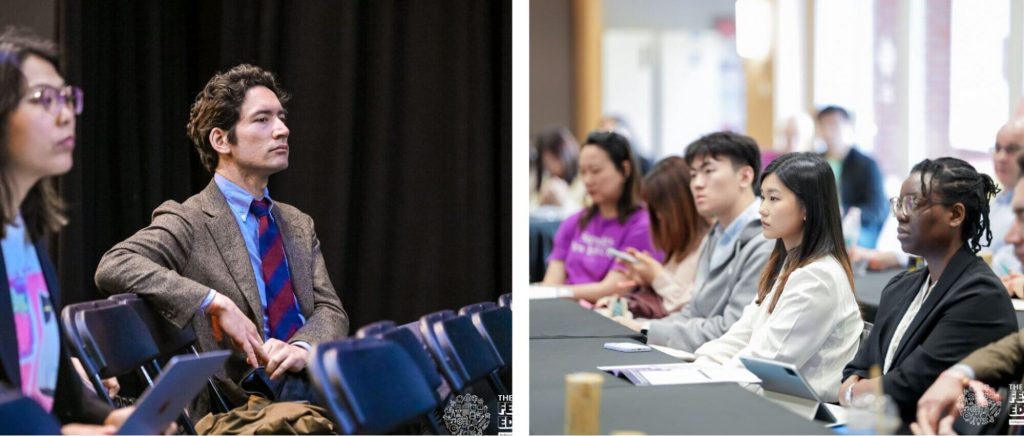
Our team members Andy and Heidi joined the 9th Festival of Education China hosted by Wellington College International Shanghai. Many of the most meaningful conversations were not simply about AI itself, but about what young people will need in order to navigate a changing world with confidence, discernment, and purpose.
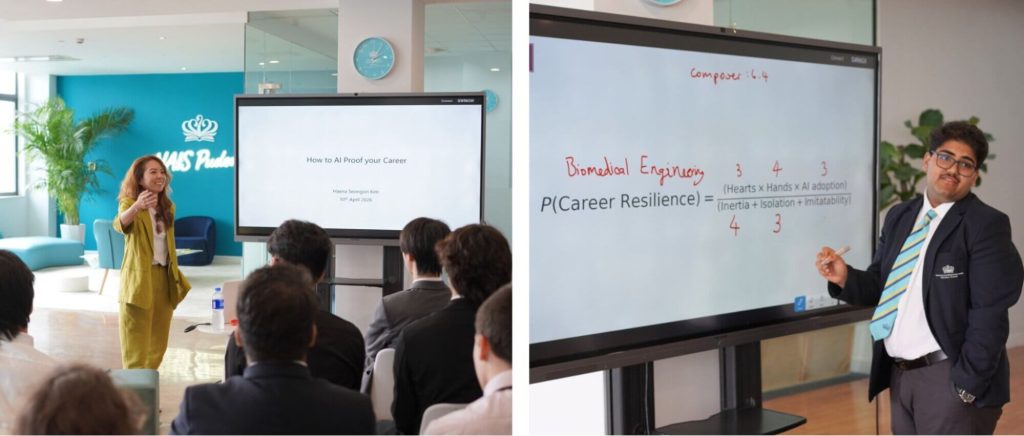
That same theme carried into Haena’s recent workshop at Nord Anglia International School Shanghai Pudong on “AI-proof employability.” Working with students on future careers and psychological safety, she invited them to consider which skills remain essential as technology evolves. Her key insight was clear: “the more human connection a role requires, the more future-proof it becomes.”
Together, these conversations offered a timely reminder that strong STEAM learning is not only about mastering tools or content. It is about helping students connect technical learning with creativity, reflection, and the deeply human strengths that will continue to matter most.
When learning is grounded in real places, real questions, and real relationships, students begin to see knowledge as something they can use with purpose.
We look forward to creating more experiences that help young people engage thoughtfully with the world—and their place in it.
Get in touch to explore more exciting learning opportunities for your students!
© 2026 All rights reserved.
Terms and Conditions