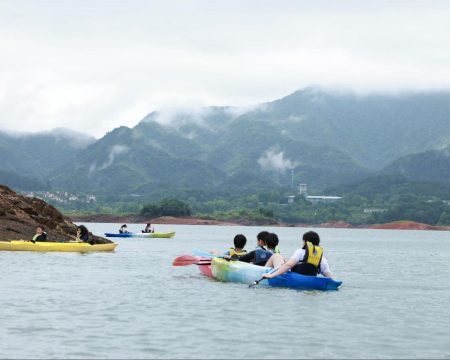
There’s a moment, usually a few weeks before departure, when the excitement kicks in. Passports checked. Packing lists shared. And then someone asks the quiet but important question: What exactly are students meant to learn from this trip? Not just see or experience, but truly learn.
That’s where pre-trip learning design earns its keep. Done well, it turns a school trip into something far richer than a change of scenery. It becomes a moving classroom, one that starts long before the plane leaves the runway.
A textbook can explain dynasties, geography, or economic reform. Standing in a historic district or walking through a modern city shows how those ideas collide in real life. Pre-trip learning is the bridge between the two.
When students arrive with prior knowledge already ticking away in their minds, they start making connections on their own. “We talked about this in class” becomes “I can see why this happened here.” That shift matters as it signals real understanding.
Without preparation, students often default to surface-level observations. Everything feels new and competes for attention. Pre-trip learning helps filter that noise.
By the time students land in China, they are not just tourists absorbing impressions. They are learners with context, questions, and a sense of purpose. Engagement deepens, curiosity sharpens, and conversations change.
Strong trips start with clarity. Teachers who define learning objectives early find it much easier to justify time away from school, integrate the experience into the curriculum, and explain the value of the trip to parents and senior leaders.
Our programs cover a broad spectrum of subjects. Whether the focus is history, geography, economics, language, or global citizenship, objectives help anchor the experience. They also give students something solid to work toward, rather than a vague idea of “learning about China.”
Some outcomes are obvious. Language learners want confidence using Mandarin. Humanities students want cultural insight. But the richest programs often stretch across subjects, such as research skills, comparative writing, group collaboration, or even data collection in the field.
For schools with a stronger language focus, Mandarin immersion trips can support both language development and broader academic learning within a structured, contextual setting.
Context changes everything. A skyline makes more sense when students understand recent urbanization. A rural community resonates differently when they know the pressures shaping modern life.
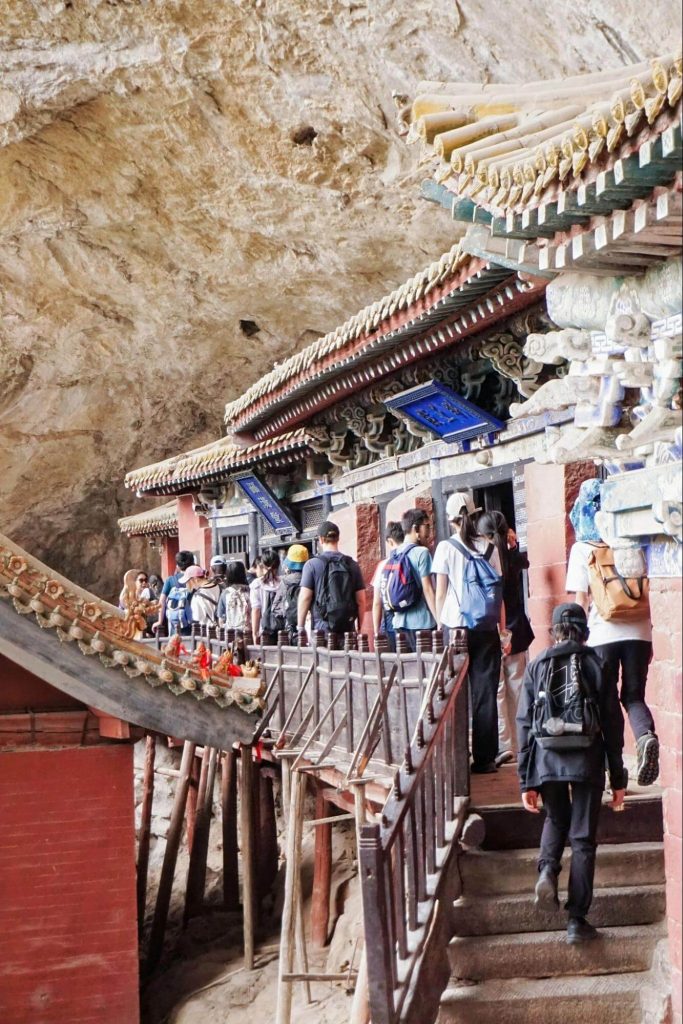
Pre-trip sessions often cover:
These areas are usually explored by schools as part of their own pre-trip learning, with support from us in the form of guidance, recommended resources, and suggested focus areas to help teachers shape this preparation in a way that aligns with the program.
This is less about memorizing facts and more about orientation, giving students a clear mental map before they arrive.
Every itinerary has its own story. Themes such as sustainability, urban development, heritage preservation, and innovation are examples of this. Pre-trip learning works best when it mirrors those themes.
Students who know what to look for notice more. They ask better questions to help spot patterns others miss and even surprise themselves in the process.
To introduce key themes effectively, schools often start by narrowing focus rather than broadening it. Instead of covering everything a destination represents, teachers can identify two or three themes that align most closely with the itinerary and curriculum, such as urban development, cultural continuity, environmental change, or economic systems. These themes then act as lenses through which students experience each site.
Observation is a skill, and like most skills, it improves with practice
Before departure, teachers often encourage students to:
This groundwork pays off quickly once the trip begins. Instead of asking what they should write down, students start deciding what matters.
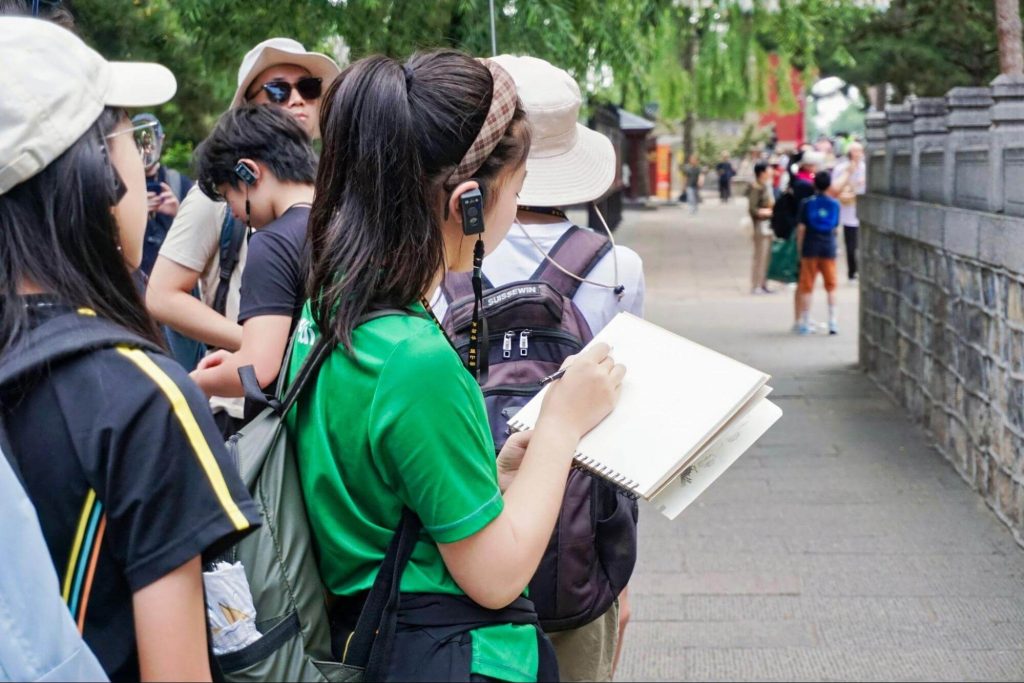
Reflection doesn’t have to wait until the trip ends. In fact, it works better when students are primed in advance.
Comparisons help; such as home versus host country, expectations versus reality, and theory versus practice. These mental frameworks give students something to return to each evening, sometimes even without being prompted.
Even a little language preparation goes a long way. All it takes is picking up a few simple phrases, understanding some common signs, and looking at everyday etiquette. These small tools lower barriers and boost confidence.
More importantly, they signal respect. Students begin to understand that communication is not just about words, but tone, timing, and awareness.
As a starting point, schools often encourage students to become familiar with a small set of everyday words and phrases that are likely to come up repeatedly during the trip. This might include basic greetings, simple expressions of thanks, polite ways to get attention, and phrases used when ordering food or asking for help. Recognising common signs, numbers, and place names can also make everyday interactions feel less daunting.

What feels polite in one country can feel awkward in another. Pre-trip discussions around social norms, public behavior, and cultural etiquette help students navigate unfamiliar situations more comfortably.
They also reduce misunderstandings and associated stress, which makes the experience much more enjoyable and beneficial.
In practical terms, this preparation can include discussing everyday etiquette students are likely to encounter. Simple examples might involve expectations around queueing, maintaining appropriate noise levels in public spaces, and following group instructions in busy environments. Students may also benefit from guidance on respectful behavior in cultural or religious settings, such as appropriate dress, when to remove shoes, and how to behave during visits to temples or heritage sites.
It can also be helpful to cover basic interaction norms, including how to greet people politely, when physical contact may or may not be appropriate, and how to respond if communication is difficult or misunderstood. Addressing common situations such as dining customs, use of mobile phones, and attitudes toward punctuality helps students feel more prepared and reduces uncertainty once they arrive.
Research tasks can be a very effective way for students to dive into pre-trip learning. Examples here include short presentations, brief reading responses, and destination-focused case studies.
The goal is not workload for its own sake, it’s more about establishing familiarity. Students arrive already knowing names, places, and ideas that will soon be right in front of them.
Group work mirrors the trip experience itself. Students will be living, traveling, and learning together. Pre-trip collaboration sets expectations early.
Not every student needs the same level of depth, and not every school has the same amount of time to devote to pre-trip learning. Age, prior experience, course load, and where the trip sits within the academic year all influence what is realistic. Teachers often have strong ideas about preparation, but time pressures mean choices have to be made.
We work with teachers to find the right balance, identifying activities that add genuine value without overwhelming students or competing with core curriculum demands. This might mean focusing on a small number of high-impact tasks rather than extensive preparation, ensuring that pre-trip learning stretches thinking while remaining manageable and appropriate for the group.
Coordination can make a real difference in preparing students for a school trip. Via our programs throughout China, we support pre-trip learning by providing reading lists, background resources, and guidance for teachers on how to integrate the program into their existing curriculum.
This also helps trip leaders and educators stay aligned, which helps to make the learning feel intentional with a clear through-line.
When students know in advance that they will be applying what they’ve learned, something shifts. They pay attention differently. They listen harder and they take notes that are meaningful.
Learning becomes active, even if it is sometimes messy, it is also often memorable.
In practice, this often means giving students a clear sense of what they will be looking for once they arrive. Simple pre-trip tasks, such as assigning observation themes, guiding questions, or destination-specific focus areas, help students preview what is to come and understand what deserves their attention. Some schools ask students to track examples related to a particular subject, compare sites or communities, or gather notes for a post-trip task or discussion.
The strongest programs feel continuous, with preparation shaping what students notice in the field, and field experiences informing reflection back in school. Reflection, when structured well, helps students move beyond description toward analysis, comparison, and deeper understanding.
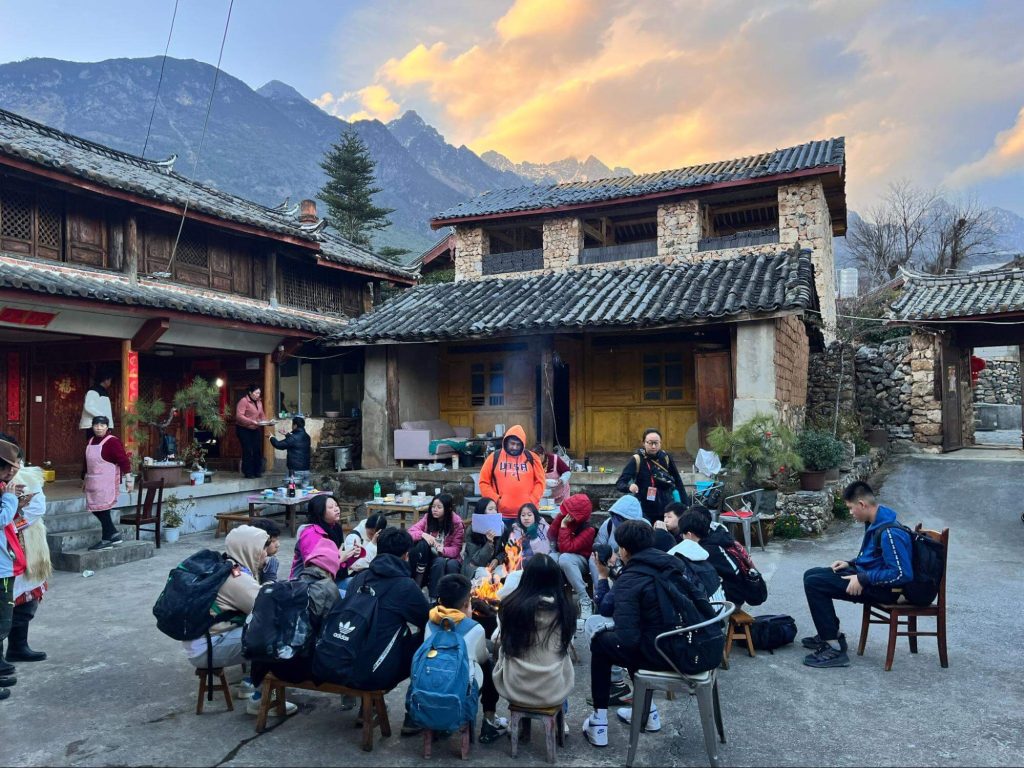
This might include guided journals completed during the trip, short daily debriefs that encourage students to connect observations to pre-trip learning, or post-trip assignments that ask students to revisit initial research questions in light of what they experienced. Some schools build this into presentations, reflective essays, group discussions, or cross-curricular projects that link the trip back to subject content.
Pre-trip learning should not be viewed as a separate phase, but as the opening chapter of a longer learning journey. When preparation, travel, and reflection are deliberately connected, the experience continues to add value well after students return to the classroom.
If you are sketching out a future trip and wondering how academic preparation, place-based learning, and real cultural depth might come together in practice, it is worth seeing how our programs are designed from the ground up.
Each WildChina Education journey is built with learning outcomes in mind, not added as an afterthought. From curriculum-linked itineraries to structured pre-trip resources and on-the-ground academic facilitation, the goal is simple: help students arrive ready to think, question, and connect. To see how this approach works in practice, explore our programs and start a conversation with our team about your next trip.
© 2026 All rights reserved.
Terms and Conditions