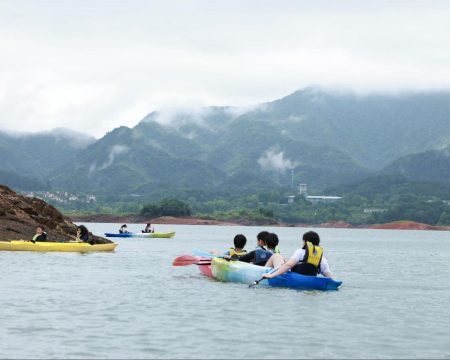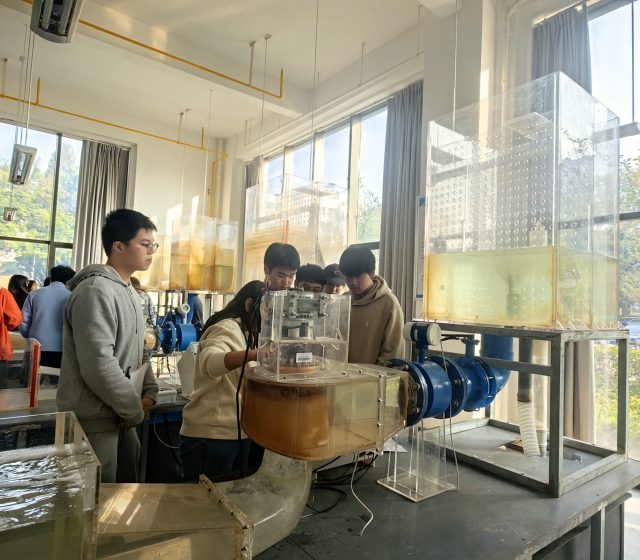
In today’s rapidly evolving world, it’s more essential than ever to equip students with the knowledge and skills that STEAM education provides—spanning Science, Technology, Engineering, Arts, and Mathematics. With its blend of rapid innovation, rich cultural heritage, and diverse geography, China offers an inspiring backdrop for transformative STEAM learning experiences.
In this article, we’ll explore how WildChina Education’s immersive programs are thoughtfully designed to bring STEAM education to life—fostering deeper understanding and igniting a passion for innovation in the next generation of global leaders.
Choosing the right destination for a school trip is about more than just logistics—it’s about creating meaningful learning experiences that leave a lasting impact. For STEAM education, China offers an unmatched setting.
As one of the world’s leading hubs of innovation, China seamlessly blends high-tech development with centuries of cultural heritage and striking geographic diversity. This unique combination turns the country into a living laboratory, where students can see STEAM principles in action and connect classroom learning to real-world application.
Here are a few key reasons why China is an ideal destination for STEAM-focused educational travel:
From engineering marvels to ecological fieldwork, our programs immerse students in real-world applications of science, technology, engineering, arts, and mathematics. Each journey is designed to spark curiosity, deepen learning, and transform STEAM concepts into lived experiences across diverse settings in China.
Read on to explore a selection of our featured STEAM programs—each crafted to align with learning goals and inspire globally minded learners.
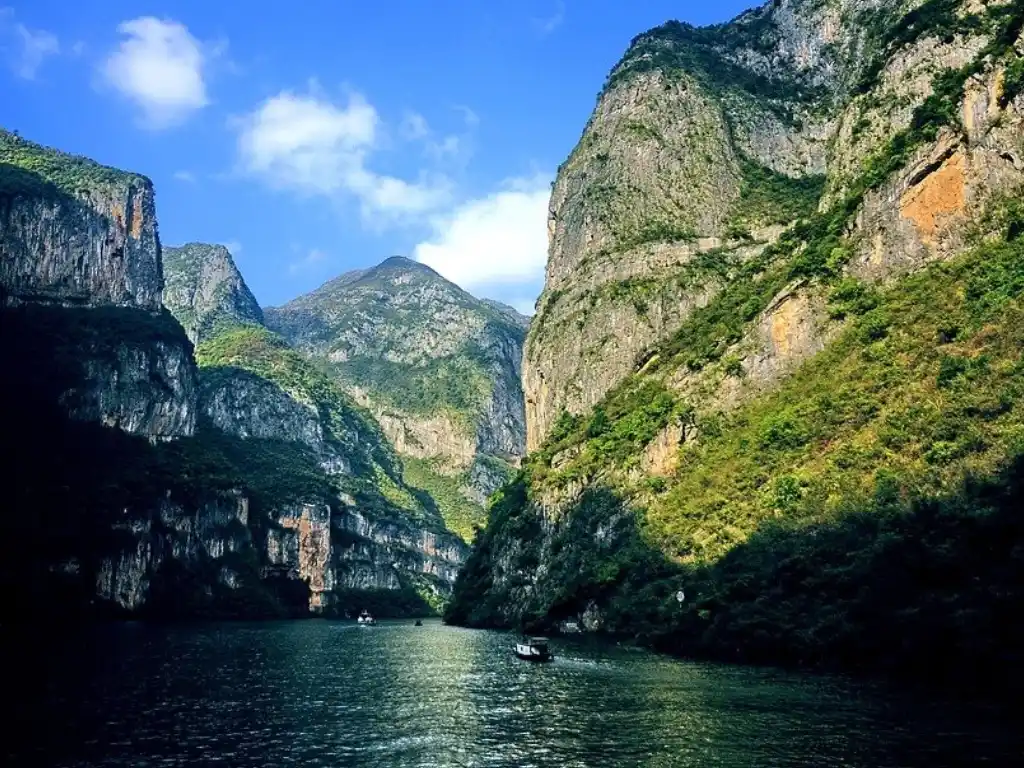
One of the most iconic and curriculum-aligned destinations for IB Geography students, the Three Gorges Dam is a required case study in the standard IB syllabus—making this program highly relevant for geography classrooms worldwide. It also provides an ideal opportunity to fulfill the IB fieldwork requirement through real-world research, interviews, and surveys.
Key Activities: Students conduct water testing along the Yangtze River, conduct biodiversity scavenger hunts, and observe turbine technology in action. They also cruise through the dam’s ship lock and engage with local communities through interviews and surveys—meeting IB fieldwork requirements in the process.
Learning Outcomes: Students deepen their understanding of human-environment interaction, resource management, and the far-reaching impacts of large-scale infrastructure, all while strengthening research and data analysis skills.
Curriculum Link: This program directly supports IB Geography curriculum by bringing a key case study to life and fulfilling the fieldwork requirement. It also integrates STEAM concepts through environmental science, hydrology, and engineering systems.
Student Takeaways: Through fieldwork, community engagement, and collaborative analysis, students sharpen critical thinking, cross-cultural communication, and problem-solving abilities.
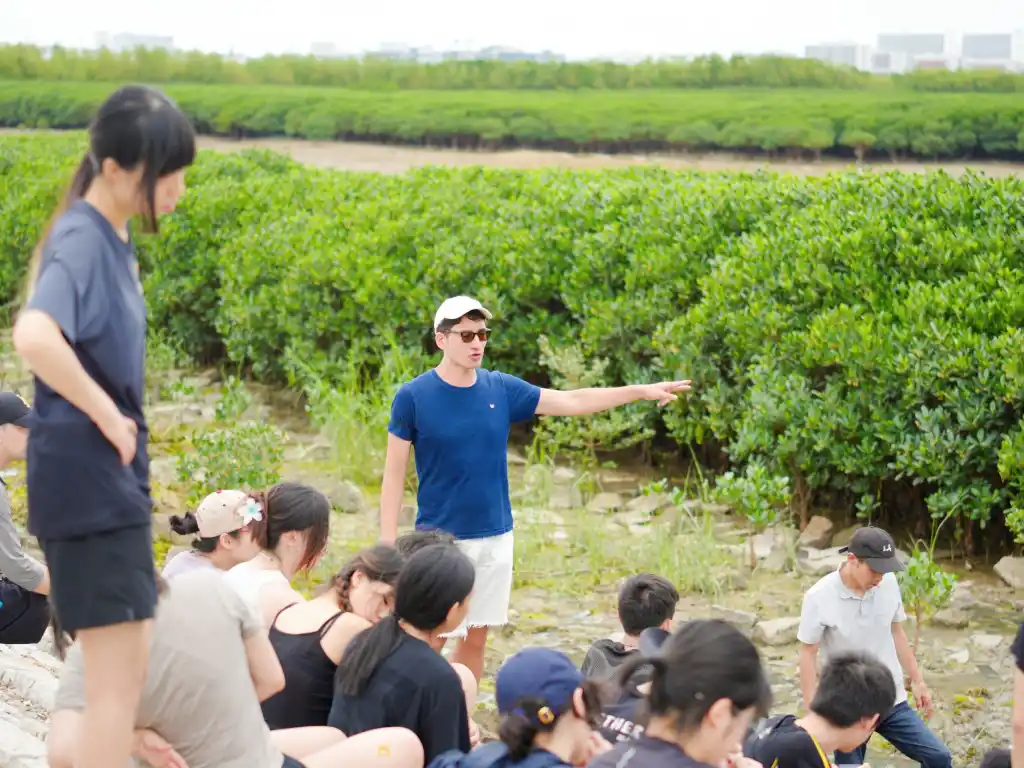
Set in Fujian Province, this program offers a STEAM-focused deep dive into ecosystem restoration and sustainable development along China’s southeastern coast.
Key Activities: Students conduct coastal ecosystem research, analyze biodiversity, and take part in mangrove planting and a shoreline clean-up project. In Zhangzhou, they explore the science and design behind ancient tulou architecture, applying engineering principles in a hands-on miniature construction workshop.
Learning Outcomes: Students gain a deeper understanding of marine and coastal ecosystems, climate change adaptation strategies, and human impact on biodiversity.
Curriculum Link: This program supports STEAM learning in biology and environmental science. It also introduces students to sustainable architecture by examining tulou design—highlighting the intersection of traditional engineering and ecological living.
Student Takeaways: Through real-world ecological research and creative problem-solving, students build environmental responsibility, scientific literacy, and the ability to think critically about sustainability.

This program introduces students to the intersection of engineering, architecture, and urban planning in one of China’s most innovative and fast-changing cities.
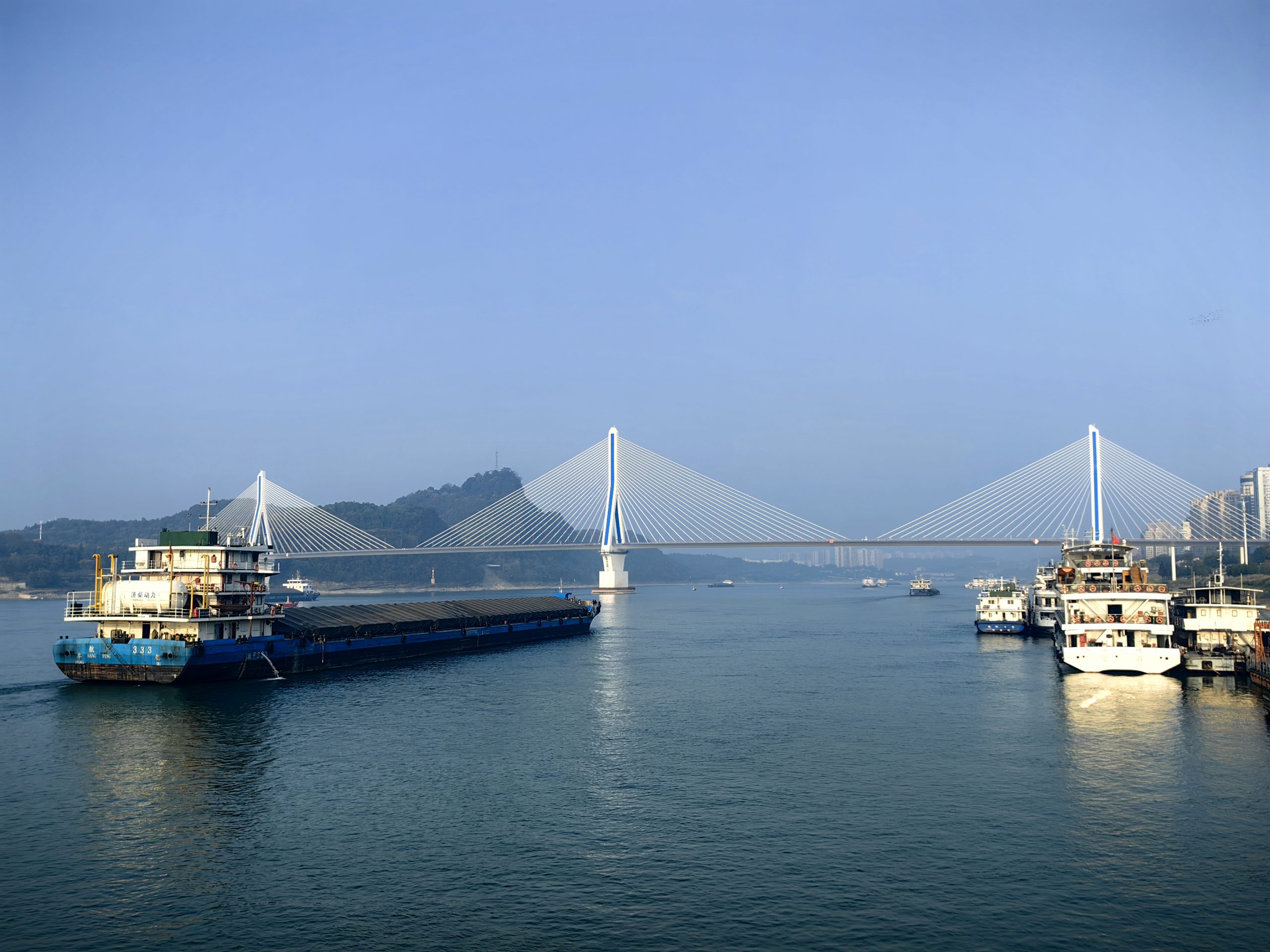
Key Activities: Students cruise past Chongqing’s iconic bridges, then apply what they’ve learned in a hands-on bridge-building workshop. They also explore the city’s historical neighborhoods, visit cutting-edge urban planning centers, and analyze how ancient and modern elements coexist in major renewal projects.
Learning Outcomes: Students gain a practical understanding of civil engineering, urban infrastructure, and sustainable city planning. They critically examine how urban spaces are designed for growth, accessibility, and cultural preservation.
Curriculum Link: This program helps students explore key STEAM topics like engineering, design, geography, and environmental science through hands-on learning and real-world urban planning challenges.
Student Takeaways: Students build problem-solving and critical thinking skills, gain insight into how infrastructure shapes daily life, and learn to approach city planning with creativity and purpose.
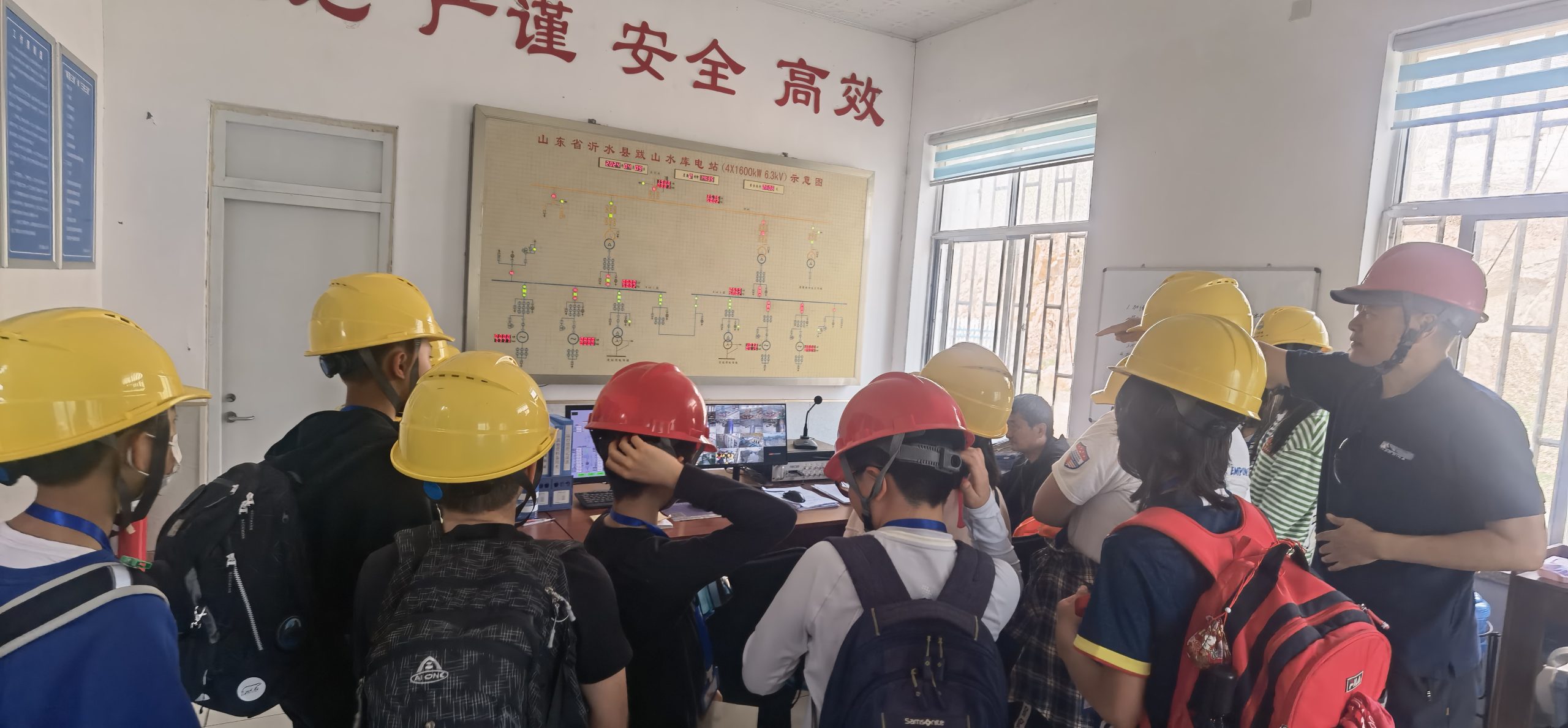
This program introduces students to real-world sustainability practices through hands-on exploration of renewable energy systems and environmental conservation in Shandong Province.
Key Activities: Students clean and analyze solar panels at a working solar farm, visit a hydropower station to understand how electricity is generated from natural resources, and take part in a trail conservation project while hiking Meng Mountain.
Learning Outcomes: Students gain a practical understanding of energy systems and environmental science by exploring how rural communities use renewable resources and adapt to sustainability challenges.
Curriculum Link: This program connects environmental science and energy systems to real-world sustainability through hands-on exploration of renewable technologies and conservation work.
Student Takeaways: Students foster innovation through exposure to new technologies, build teamwork through service projects, and deepen their environmental awareness through community interaction.
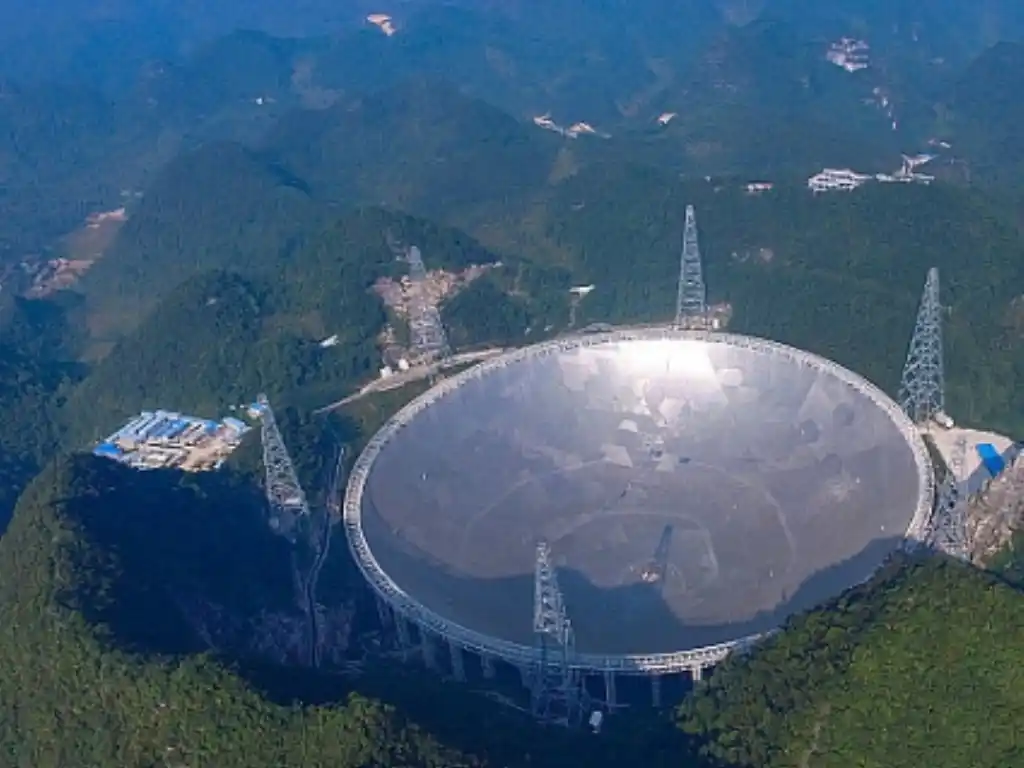
This unique trip integrates astronomy, geology, and cultural exploration in one of China’s most unique natural environments.
Key Activities: Students hike through dramatic geological formations, camp beneath the stars in a karst cave, and visit the FAST (Five-hundred-meter Aperture Spherical Telescope) to explore space science and radio astronomy.
Learning Outcomes: Students deepen their understanding of astronomy and geography, learn about Earth’s geological processes, and build core field observation skills.
Curriculum Link: This program supports STEAM learning in earth science and technology through hands-on exploration of astronomy, geological formations, and scientific tools like radio telescopes.
Student Takeaways: Students develop curiosity and confidence in scientific exploration, build observational and critical thinking skills, and gain a deeper appreciation for both the natural world and local culture.
Great STEAM education turns theory into experience—and China offers the ideal setting to make that happen. From cutting-edge innovation to diverse natural landscapes, students don’t just learn about science, technology, engineering, arts, and math—they experience it firsthand.
Our team of experienced educators and logistics experts is ready to craft a program tailored to your students, your curriculum, and your goals. Reach out to start planning today!
© 2026 All rights reserved.
Terms and Conditions