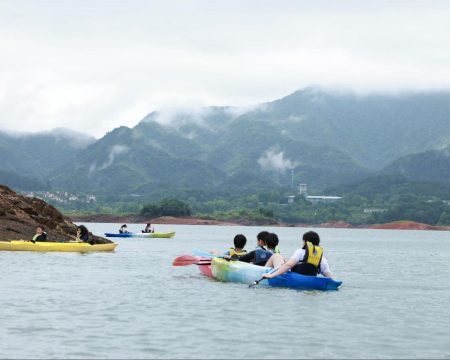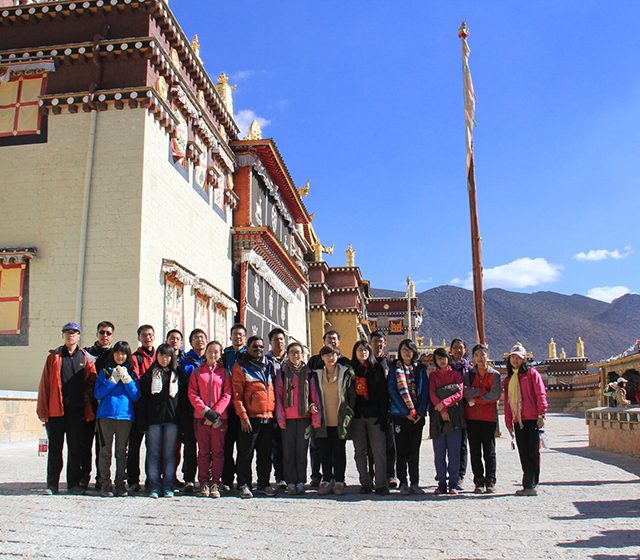
Yunnan offers a unique environment for educators to take school learning from concept to direct experience. The province’s mountains, rivers, biodiversity, ethnic communities and sustainability issues are all there for students to observe, discuss and relate to real-world issues.
For schools considering educational tours to Yunnan or more extensive educational tours of China, the value is that the destination lends itself to interdisciplinary learning. A well-designed journey can help students learn about ecosystems, cultural identity, geography, conservation and global citizenship through guided fieldwork, community interaction and place-based reflection. This article discusses why Yunnan is such a fantastic living classroom and how teachers can approach it with clear learning goals.
Yunnan is a living classroom, where students can study the interaction of landscapes, ecosystems, communities and sustainability challenges in one connected setting. This makes Yunnan particularly useful for interdisciplinary learning instead of single subject sightseeing, and especially for educators planning Yunnan educational tours.
A school trip in Yunnan can make the concepts taught in school more relevant to the real world. Geography isn’t only dealt with through maps. Students can see how elevation, rivers, valleys and climate affect settlement patterns, agriculture, transport and priorities for conservation. Sustainability is not discussed as an abstract issue. It becomes a practical question of how people use land, protect resources and adapt to environmental change.
Yunnan also encourages learning for global citizenship, to go beyond simple categories for students. A good itinerary can help them ask better questions such as how communities balance tradition and change, how local decisions affect natural systems, and why cultural understanding is important when studying environmental issues. These are important learning outcomes for many educational trips to China, especially when schools want students to go beyond observation to reflection.
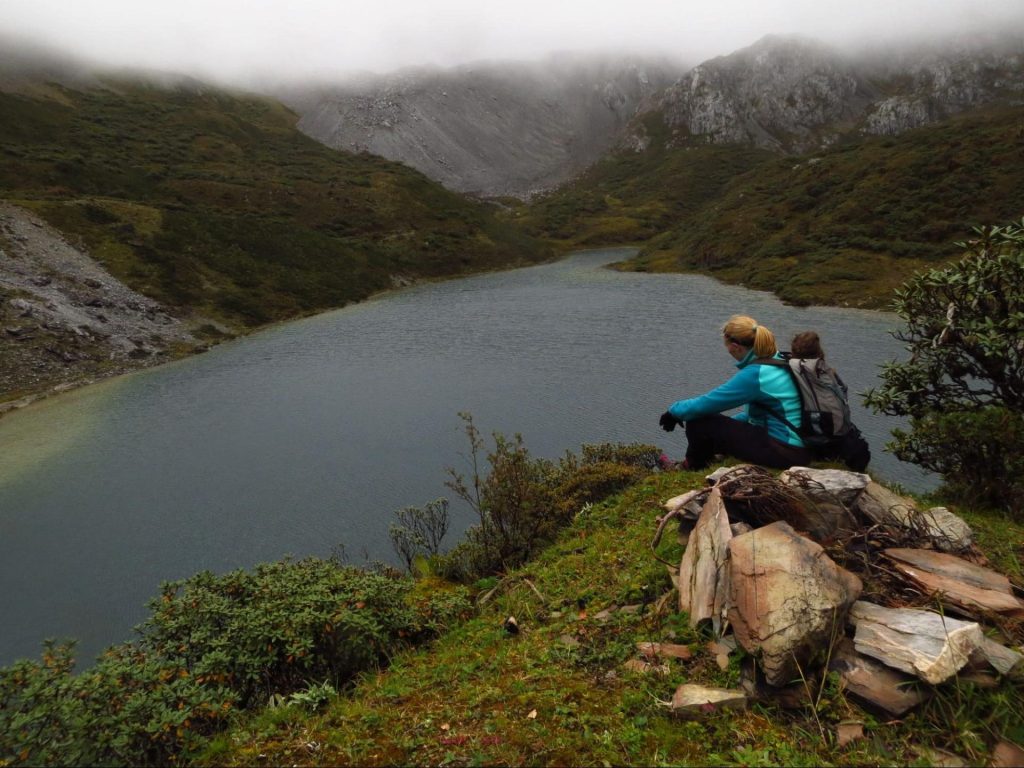
The best itineraries for educators typically include field learning, guided discussion and structured reflection. In our experience students learn more when they are asked to compare what they see in Yunnan with issues they have studied elsewhere, whether that involves climate resilience, cultural identity, food systems, or biodiversity protection.
Yunnan is a good place for students to learn about biodiversity, as they can observe major changes in altitude, climate and habitat within a single province. This provides strong opportunities for field observation and environmental inquiry and place-based science learning for schools planning Yunnan educational tours.
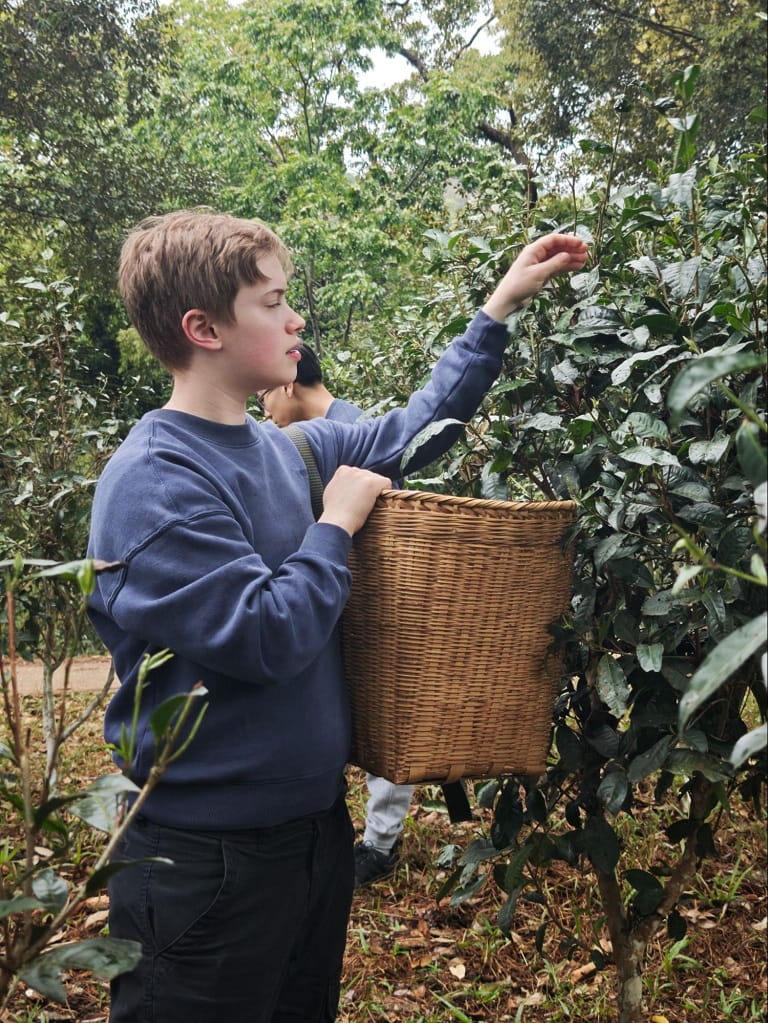
Students can look at the effects of elevation on temperature, vegetation, water flow and species distribution. A trip through Yunnan can take students from lowland valleys to highland forests and teach them to compare ecosystems in a hands-on way, not as isolated textbook categories. This is particularly useful for biology, geography and environmental science classes where students can connect physical conditions to visible patterns in ecology.
Yunnan also makes conservation easier to discuss in concrete terms. Instead of treating biodiversity protection as a distant concept, students can consider questions that arise directly from the landscape:
In our experience, field learning is strongest when students are asked to observe carefully before drawing conclusions. Simple activities such as habitat mapping, waterway observation, species journaling, climate comparison, or guided reflection can help students build evidence-based thinking.
Yunnan supports meaningful cultural learning, as students can explore how place influences identity, language, agriculture, food systems, and daily life. Yunnan is therefore particularly useful for educators taking students on educational tours in helping students move beyond a surface-level exposure to culture and toward respectful inquiry.
Yunnan’s cultural diversity should not be treated as a performance for tourists. We learn it better through guided conversations, community-led experiences, and careful observation of how people live, work, grow food, preserve traditions, and adapt to change. Students can start to see culture as something that is active, changing, and not something static from the past.
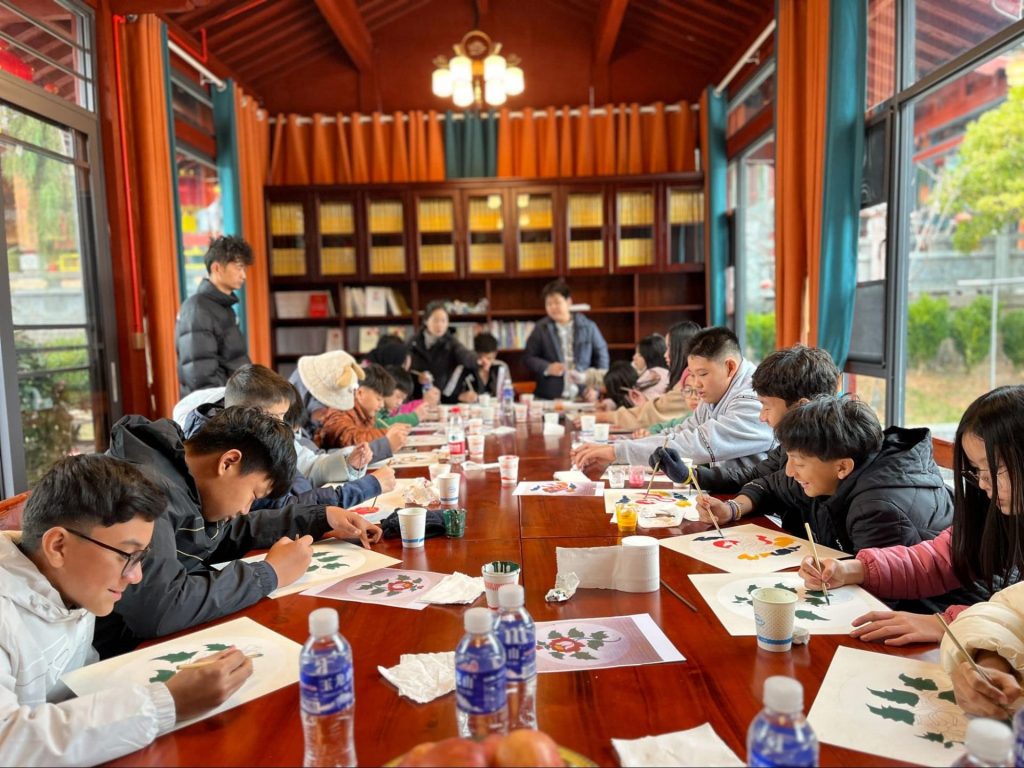
This is when this kind of learning is most powerful, when students are ready to ask thoughtful questions. Instead of just listing differences, they can investigate how geography shapes livelihoods, how local knowledge is passed down through generations, and how communities make decisions about education, land use, tourism and sustainability. These are useful questions for schools looking for educational trips to China that promote global citizenship and intercultural understanding.
The most effective community learning experiences are contextualized before the visit and reflected upon after. Students need time to learn where they are going, what respectful engagement is and why listening closely matters. Later, reflection exercises help them link their learning to larger themes such as cultural identity, environmental responsibility and social change.
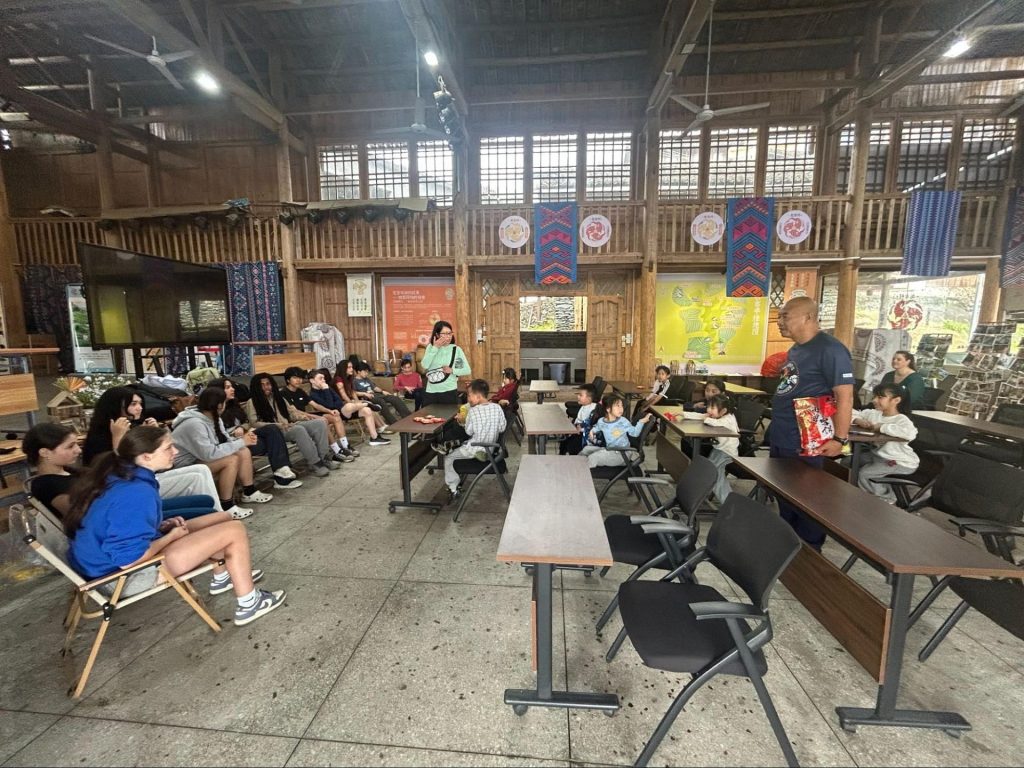
Yunnan’s educational value does not come from visiting impressive places alone. It comes from how each experience is framed, facilitated, and connected back to the school’s learning goals. A strong itinerary gives students time to observe closely, ask better questions, discuss what they are seeing, and reflect on how local examples connect to wider global issues.
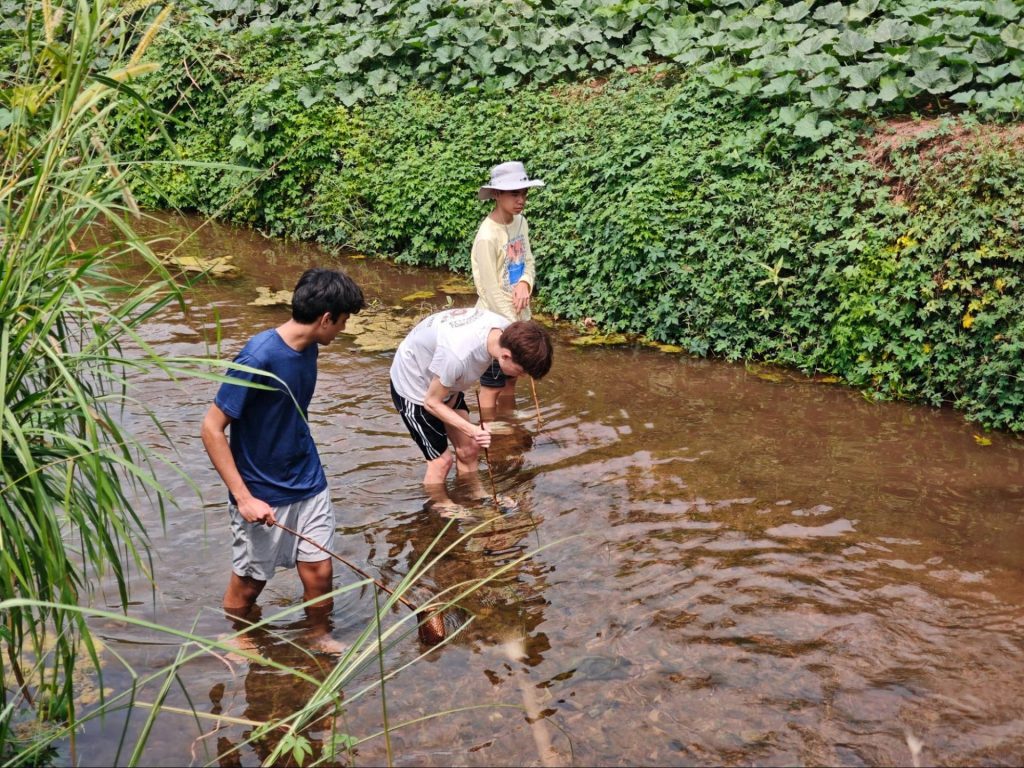
For educators, this means planning beyond logistics. The most meaningful China educational tours combine field experience with cultural respect, academic preparation, and space for students to process what they have learned. In Yunnan, that approach can turn landscapes, ecosystems, communities, and sustainability challenges into a deeper learning journey.
For schools planning purposeful educational travel in China,WildChina Education can help design experiences that are grounded, responsible, and aligned with real learning outcomes.
© 2026 All rights reserved.
Terms and Conditions