
China is a powerhouse of cultural and academic immersion, making it an excellent destination for educational travel.
But like all international school trips, bringing a group of students to China requires thoughtful planning. Effective preparation is key to ensuring a smooth, enriching experience for everyone involved.
In this guide, we’ll share our top tips for visiting China with students to help you feel confident before and during your trip.
Planning a successful school trip to China begins months before you board your flight.
The following pre-travel tips highlight key steps that will help teachers, students, and parents feel prepared and confident.
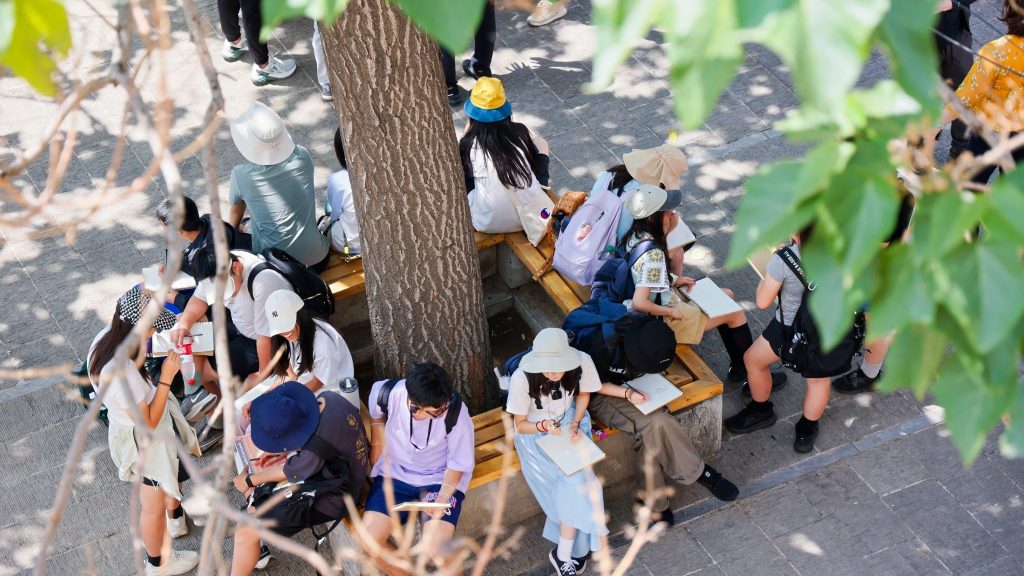
Students and parents often feel apprehensive when facing the unknown. While school trips to China are exciting and educationally enriching, they may also feel intimidating—especially for first-time travelers.
Many common concerns can be eased with clear communication. Organize comprehensive pre-trip briefings for both students and parents, and offer Q&A sessions to address any questions.
WildChina Education supports this process by providing pre-departure information packs and hosting presentations for parents and students to help everyone feel prepared.
To support students with their preparation, create a detailed packing list and share it with both students and parents.
Given China’s size and geographic diversity, weather conditions vary significantly by region and season. Be sure to include seasonally appropriate clothing based on your itinerary.

Other essentials items for a school trip to China include:
Every school has their own policy on students bringing phones or other electronics. If permitted, keep in mind that many popular websites and social media platforms—such as Google, YouTube, Facebook, Twitter, and Instagram—are blocked in China.
If students need access to their email or any of these sites, it’s recommended that they download a VPN before arriving. Downloading a translation app in advance is also useful for bridging the language gap and navigating daily interactions.
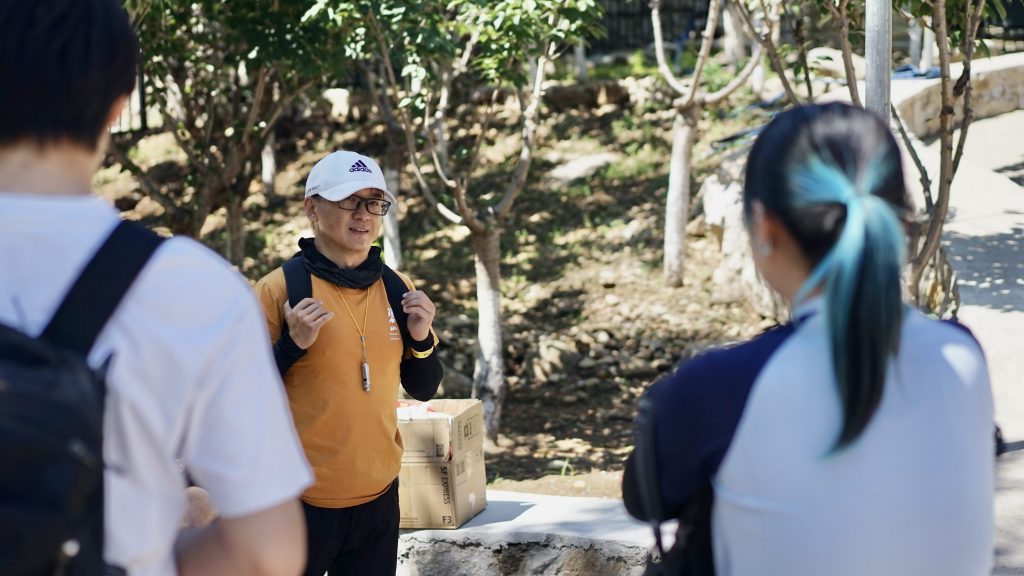
Well before you embark on your school trip to China, it’s important to clearly communicate behavior expectations with your students. This helps ensure a smooth and safe experience for everyone involved.
When students understand the expected standards ahead of time, it reduces confusion, encourages personal responsibility, and sets a positive tone for the trip.
Create a clear list of appropriate and inappropriate behaviors and explain the reasoning behind each one. For example, instead of simply saying “stay with the group,” you can explain, “If you don’t stay with the group, you could get lost or miss a fun experience.”
Some schools also choose to have students sign a behavior contract before the trip begins, as it helps reinforce expectations and promotes accountability.
China is widely regarded as a safe destination for international school trips. With its low crime rate, reliable infrastructure, and fascinating cultural sites, it offers a welcoming environment for student travel.

That said, it’s important to follow a few key safety tips to ensure your students say healthy and safe throughout the trip.
One of the best ways to prepare students for a school trip to China is by helping them understand and respect local customs. Cultural awareness not only shows good manners but also deepens the overall travel experience.

Here are some key etiquette points to share with students:
Sharing these cultural tips in advance will help students approach the trip with curiosity, respect, and an open mind.
While pre-trip planning is essential, it’s just as important to be prepared for your day-to-day experience once you arrive. These on-the-ground tips for visiting China will help you navigate local logistics smoothly and stay focused on creating a meaningful experience for your students.

Here are a few helpful strategies to set you up for success on the ground:
While these tips for visiting China with students will help you feel more prepared, the real difference comes from having the right partner by your side.
At WildChina Education, we guide teachers and schools every step of the way—from the early planning process to the moment your group boards the flight home. Our team of experienced educators and local experts is well-versed in student travel and will ensure that teachers, students, and parents all feel confident and supported throughout the journey.
Contact us today to start planning an unforgettable school trip to China!
© 2026 All rights reserved.
Terms and Conditions