This month’s work offered a clear reminder that experiential learning takes shape in different ways.
Some students marked a milestone in structured social impact work, while others learned through outdoor challenge, place-based exploration, and on-campus discovery.
Across these experiences, reflection remained the common thread—helping students turn action into understanding, and experience into lasting learning.
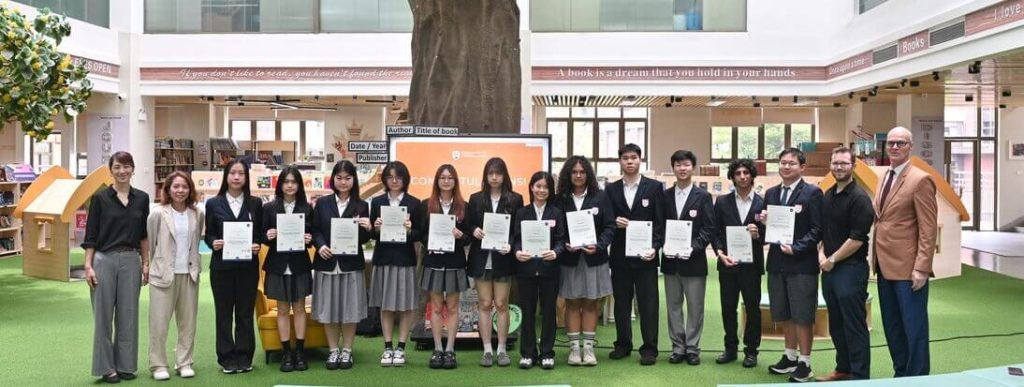
Recently, Haena and Lucy, representing our team, joined a ceremony at Canadian International School of Guangzhou to celebrate 12 students reaching an important milestone: achieving their Diploma in the Social Impact Award, delivered in collaboration with our partner Centre for Global Citizenship Studies.
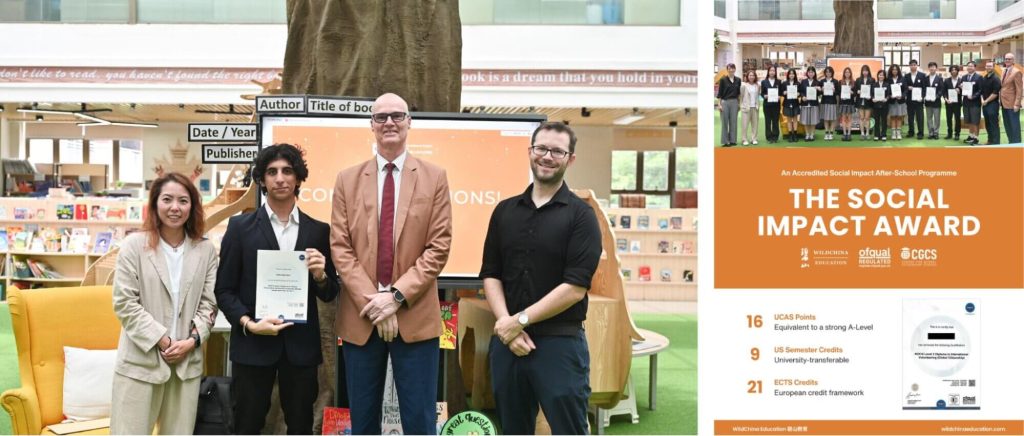
The award is an Ofqual-regulated Level 3 qualification that gives students a structured pathway to explore global issues, reflect on their values, and take meaningful action in their communities, while the Diploma also offers students the opportunity to earn up to 16 UCAS points.
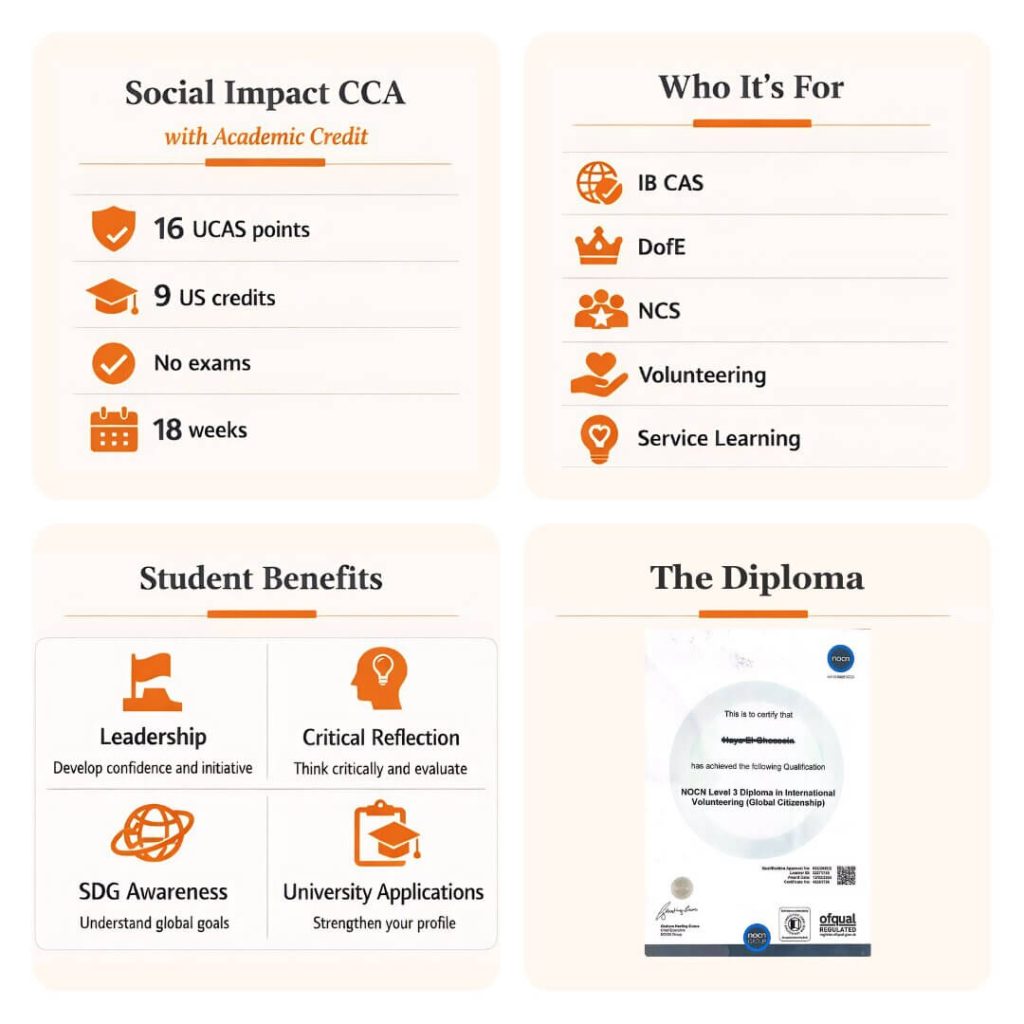
The moment marked more than the completion of a program. It recognised a group of students who have shown leadership, service, and initiative through hands-on engagement with grassroots issues—an example of student-centered learning that is purposeful, reflective, and grounded in action.
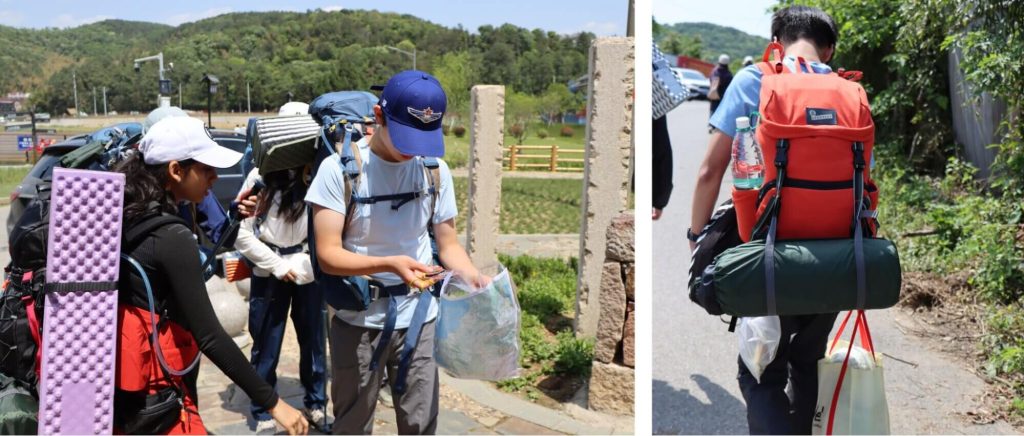
In Wuxi Taihu, students preparing for the Duke of Edinburgh’s Bronze Award took on a demanding practice journey that asked them to carry their own tents and food, prepare meals, and apply first-aid and outdoor living skills along the way.
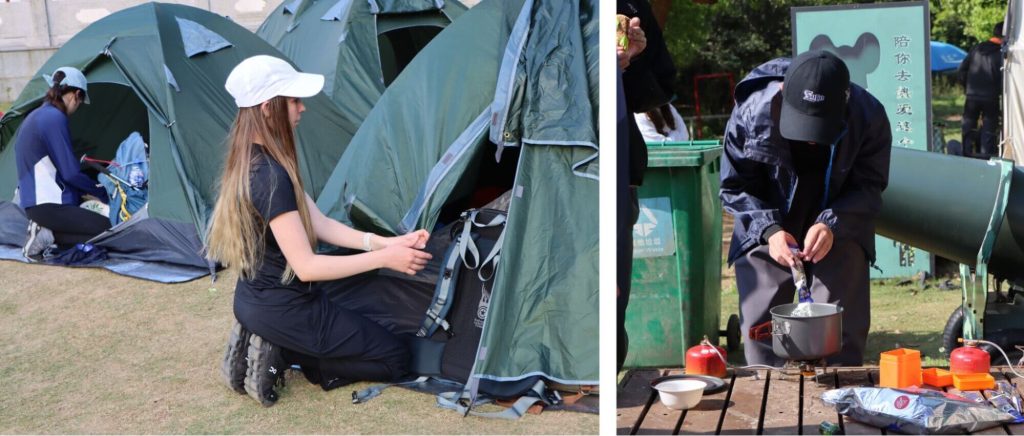
When moving through the practical realities of the journey, students also built confidence, resilience, and a clearer understanding of what shared effort looks like in the field.
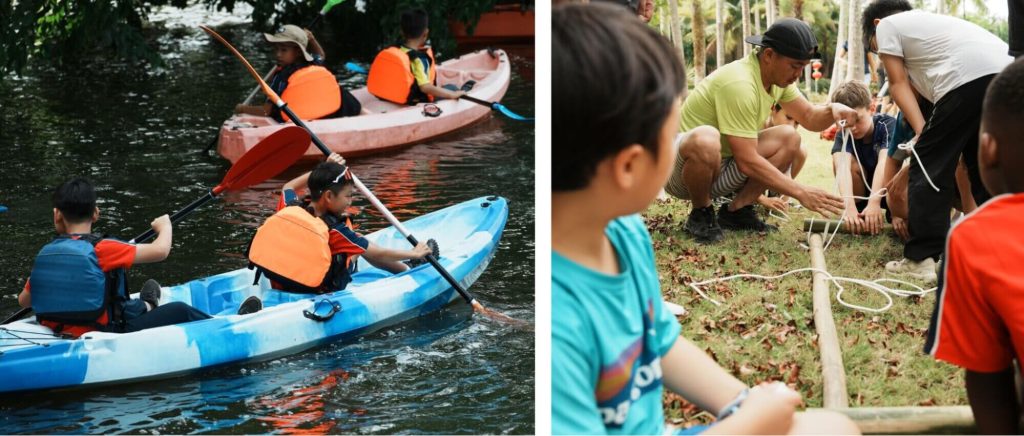
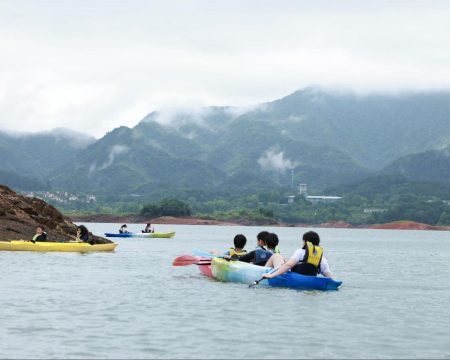
In Wanning, students explored outdoor learning through kayaking, navigation hikes, shelter building, team treasure hunts, and camp challenges. The activities were active and varied, but their value came from the way they brought communication and cooperation into focus.
As students worked through each challenge, they strengthened trust, problem-solving, and group awareness. The setting made those lessons visible in a way that is often harder to replicate indoors.
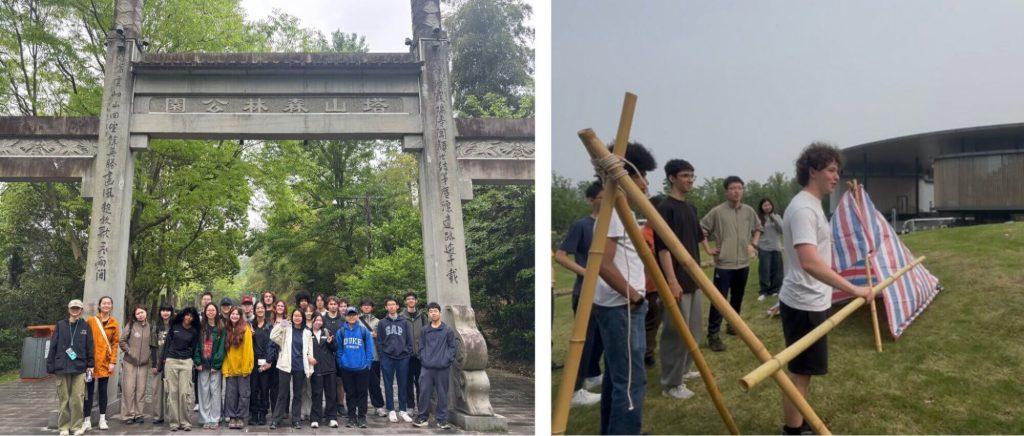
During a two-day weekend program in Moganshan with Duke Kunshan University, students spent time hiking in the forest, building shelters, cooking outdoors, and taking part in team challenges and reflection in nature. For university students, the program offered a different kind of learning environment—one that asked them to step out of routine and engage more fully with place and with one another.
The result was both practical and reflective. Students deepened collaboration, strengthened outdoor living skills, and developed a more thoughtful awareness of their environment through direct experience.
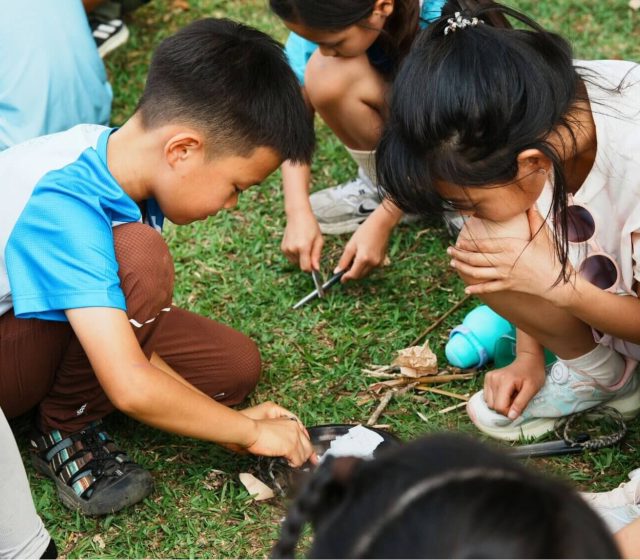
This month also showed that outdoor learning does not need to begin far away. In an on-campus kindergarten program, young learners followed color markers, identified landmarks, built forts, created memory trails, and explored light, shadow, color, and storytelling through movement and play.
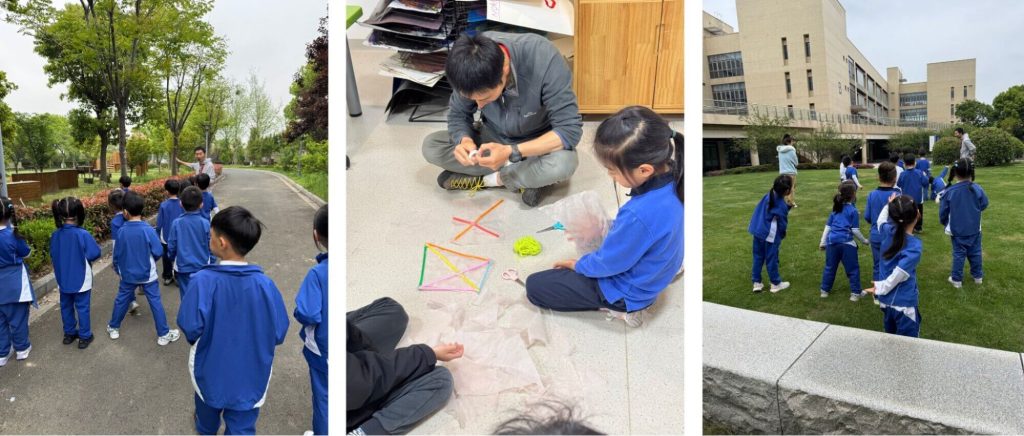
The scale was smaller, but the learning was no less meaningful. Through familiar surroundings, students practiced observation, creativity, teamwork, and early problem-solving in ways that felt joyful, age-appropriate, and grounded in discovery.
In Huizhou, students engaged with sea turtle rescue and conservation through observation, discussion, and a bamboo weaving workshop where they created sea turtle-shaped fans. These activities gave students a concrete way to connect environmental learning with local context and hands-on making.
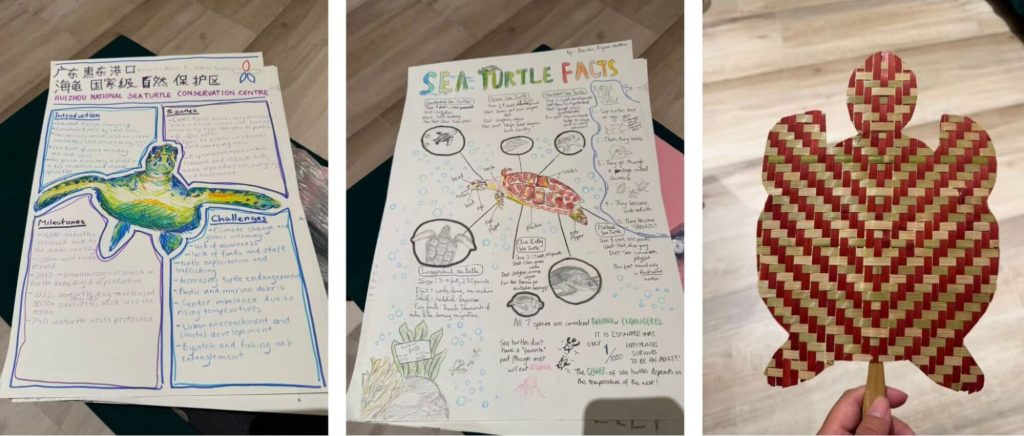
What brought the experience together was reflection. In a “Save the Turtle Campaign” session, students turned what they had learned into posters about conservation challenges and human impact. It was a strong reminder that while program design may shift across age groups and settings, reflection is often what helps experience become understanding.
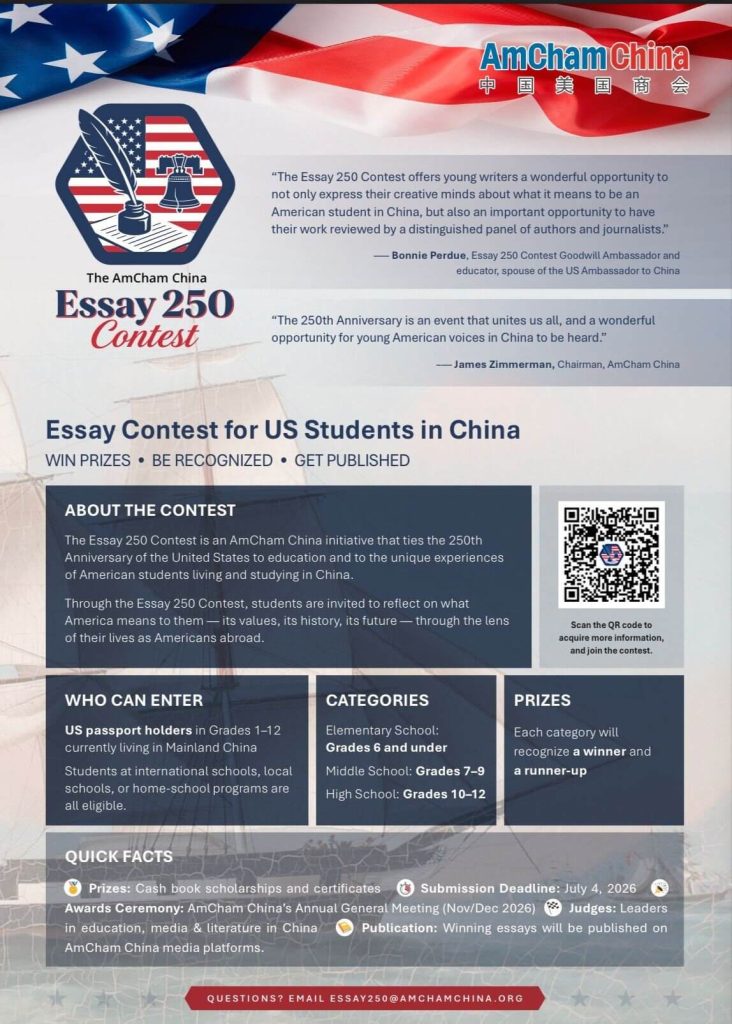
This month’s AmCham China Student Essay 250 Contest highlighted another form of reflection: writing. By inviting American students in Mainland China to share personal essays about their experiences living and learning here, the contest created space for students to process place, identity, and perspective in their own words.
As AmCham’s partner, we are glad to share this event, which echoed much of what we saw across May’s programs. Whether students are on a trail, in a school courtyard, or at a desk drafting an essay, learning deepens when they are given time and space to reflect on it.
As experiential educators, we remain interested in how learning can meet students at different ages, stages, and levels of challenge—without losing the reflective practices that help it stay with them.
If your school is exploring what this could look like in your own context, contact us to continue the conversation!
© 2026 All rights reserved.
Terms and Conditions