Planning a school trip to China is an unforgettable experience for students to immerse themselves in Chinese culture, explore historical sites, and experience the country’s rapid development. But without thoughtful preparation, even the most exciting itinerary can fall short.
In this guide, we’ll highlight nine common mistakes schools make when planning student travel to China—and share expert insight from the WildChina Education team to help you avoid them.
Even experienced educators can run into challenges when planning a school trip to China. With over 25 years of experience in experiential education, our team has seen the most common mistakes educators make—and knows how to help you avoid them.
China is vast—covering approximately 9.6 million square kilometers and a larger land area than the U.S. Traveling between major cities like Beijing, Xi’an, and Shanghai can take far longer than some educators expect.
“China is huge. Everyone wants to see more while they are in China, but they forget how vast it is,” says Dana Liu, Program Manager.
Overambitious itineraries often result in students spending more time on buses, trains, or planes than on the ground. A focused plan with fewer destinations allows for deeper learning and a more relaxed experience.
When planning an educational trip to China, it can be tempting to include as many activities as possible. But cramming the schedule with back-to-back stops often leaves students exhausted with little time to reflect on what they’ve experienced.
“Schools often choose a fuller itinerary over a more relaxed one because there’s more on it. Then they realize that the kids are too tired,” notes Rob Ansell, Program Manager.
Prioritize quality over quantity by building in downtime and space for discussion. A more balanced schedule helps students stay engaged and ensures each activity has lasting impact.
It’s natural for schools to want to include famous attractions such as the Great Wall, the Forbidden City, or Shanghai’s Bund on a school trip to China. While these landmarks are iconic, focusing on them alone can limit students’ learning.
“Prioritizing busy tourist sites is a mistake because they are usually busy with people which takes away from the overall experience,” explains Tom Lewis, Head of Business Development.
Precia Zhu, Operator, adds: “Some schools choose some attractions that are very popular on the Internet. However, these attractions are often unsuitable for student group trips and negatively impact the overall experience.”
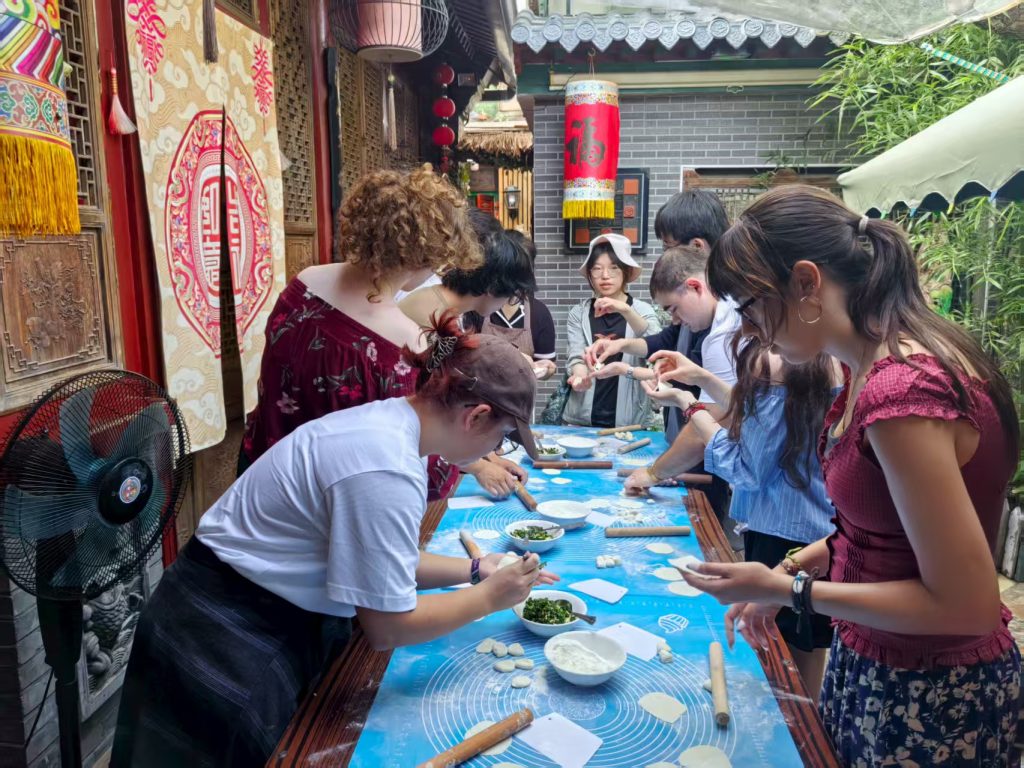
A stronger approach is to combine major highlights with local, less-visited experiences—such as engaging with local communities, exploring rural traditions, or taking part in hands-on cultural workshops. This balance gives students a more authentic and educational perspective on China.
Many itineraries focus heavily on China’s ancient history—its dynasties, temples, and famous landmarks. While these are important, overlooking modern China means missing opportunities for students to connect with the country’s present and future.
“A common mistake schools make when planning trips to China is overemphasizing ancient history while ignoring modern China,” explains Karen Yuan, Project Coordinator. “Seeing high-speed rail, eco-cities, and engaging in discussions on current events makes the trip relatable and sparks genuine curiosity.”
Balancing historical exploration with activities related to today’s society, economy, and innovation is important for student engagement. It also helps students see how the past connects to the present.
China is often seen as a budget-friendly destination, but outdated information can cause schools to underestimate the true costs of school trips to China. While still affordable compared to many destinations, China is no longer the “cheap” option it was decades ago.
“Many people’s financial perceptions of China sit from 20 years ago,” notes Haena Kim, Director.
Budgeting too low can lead to unexpected expenses or force compromises on quality. By planning with current costs in mind, schools can ensure students enjoy safe accommodations, reliable transport, and meaningful experiences that justify the investment.
Visa requirements for China vary depending on nationality, which means some students may need to complete an application before traveling. Not factoring visa processing into the trip timeline when planning a school trip to China can cause unnecessary stress.
“I’ve worked with school groups where students had to cancel their travel because of visa issues” recalls Emma Fu, Accountant.
To avoid this, start applications early and build in buffer time for any unexpected delays. By providing expert guidance to help schools and families navigate the process, we ensure visa requirements are handles smoothly and on schedule.
Relying solely on local guides for educational content can weaken the academic focus of a school trip to China. While tour guides are experts in sharing cultural and historical context, they may not be equipped to keep students engaged or connect experiences to specific learning goals.
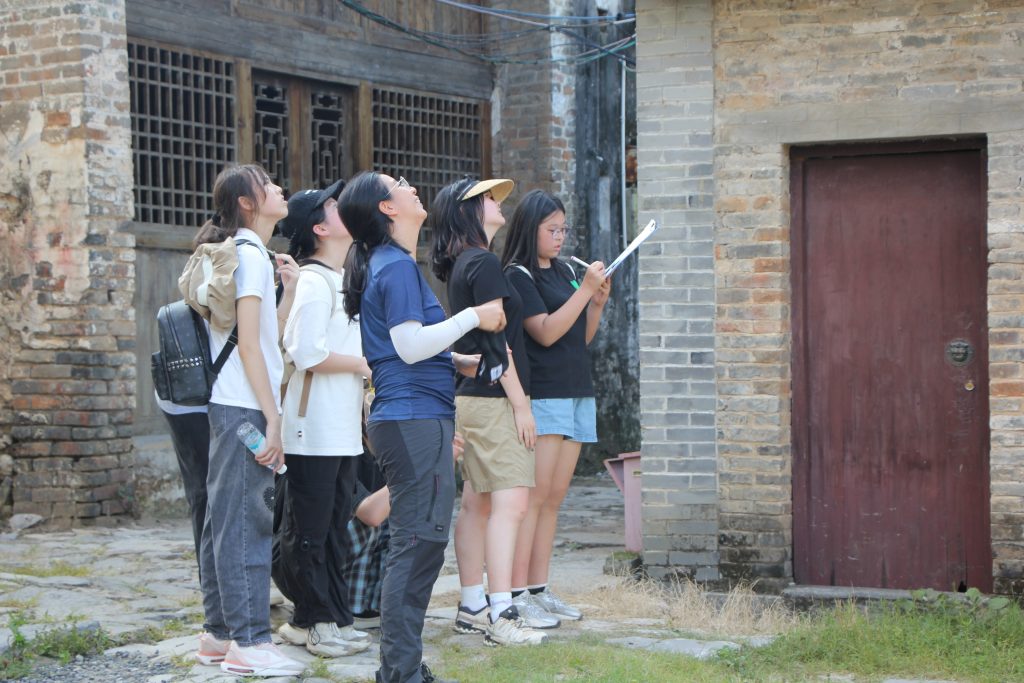
“When schools don’t have an academic leader, the educational content of a trip is significantly reduced,” explains Sam Braybon, Program Manager.
Working with a provider that includes academic leaders ensures students reflect on what they’re learning, link experiences to classroom studies, and return home with deeper insights.
China’s climate varies widely, from icy northern winters to hot, humid summers in the south. Not preparing for these conditions can affect student comfort, safety, and participation in activities.
“Weather and climate are often overlooked when initially choosing the destination, especially for groups coming from countries with very different climates. If they are not well adapted to the local climate, it can impact the overall group experience,” shares Lucy Li, Sales Support.
When planning a school trip to China, it’s important to check seasonal weather patterns and consider packing needs. At WildChina Education, we help schools plan around the weather and prepare packing lists so students are ready for the conditions and can fully enjoy their trip.
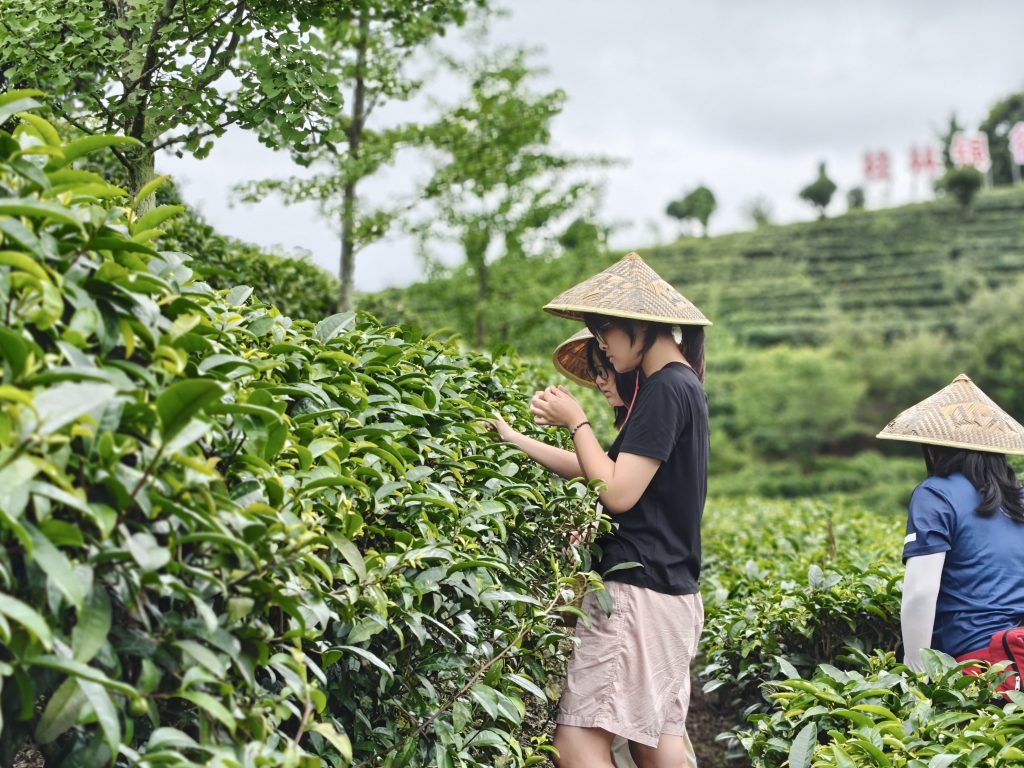
Many itineraries focus on China’s largest cities, particularly Beijing and Shanghai. While these destinations are interesting, overlooking rural regions means missing powerful, place-based learning opportunities that often leave the deepest impact.
“Focusing only on big cities becomes sightseeing-heavy and less educational,” notes Charles Chen, Account Manager.
Adding rural immersion—whether exploring farming communities, minority cultures, or smaller towns—gives students a wider view of China and a deeper appreciation of its diversity.
Avoiding these mistakes can transform a school trip from a sightseeing tour into a smooth, well-balanced learning experience for both students and educators.
At WildChina Education, we draw on more than 25 years of experience in educational travel to design itineraries that balance learning goals with authentic, on-the-ground experiences. Our team works closely with schools to ensure trips are safe, well-organized, and deeply enriching for students.
If you’re ready to start planning a school trip to China, get in touch with us today to create a program that avoids these pitfalls and leaves students with lasting global perspectives!

Most schools traveling from outside of China find that 7–10 days is ideal. This allows enough time to explore key destinations without overwhelming students with long travel days.
Visa requirements vary by nationality, so it’s important to check in advance and start applications early to ensure every participant has the correct documentation.
Combine major highlights, such as the Great Wall or the Terracotta Warriors, with immersive local experiences in smaller towns or rural areas. This approach creates a more meaningful and balanced learning journey.
Spring (April–May) and autumn (September–October) generally offer the most comfortable weather and excellent learning conditions.
© 2026 All rights reserved.
Terms and Conditions